In today’s world, we often dream of smaller homes. These homes are charming and simple. Small house building companies can make our dream homes a reality with their unique designs and top-notch craftsmanship.
They know that small homes are efficient and sustainable. These homes are perfect for those who value comfort and the environment.
Looking into small homes, we find that working with experts is key. They turn our ideas into real homes. With tiny home communities popping up across the U.S., we can live more simply and freely.
Whether you like modern or traditional styles, building your dream home is exciting. It’s a journey that can be very rewarding.
Key Takeaways
- Small house building companies can help bring our dream home to life.
- Personalized designs cater to individual preferences, maximizing functionality.
- Quality craftsmanship is essential for sustainability and durability.
- Collaboration with experienced builders simplifies the home-building process.
- Exploring tiny home communities can enhance our living experience.
Understanding the Appeal of Small Homes
Small homes are gaining popularity in today’s housing market. They offer a simpler and more efficient way to live. This shift is driven by the need for affordability and sustainability.
Simplicity and Efficiency
Living in a small home helps us focus on what’s truly important. It encourages us to own fewer things. This leads to a more fulfilling life, centered on experiences rather than possessions.
Many companies are now designing small homes that are both efficient and stylish. These homes make the most of every square inch, offering a cozy and organized living space.
Environmental Benefits of Smaller Footprints
Small homes are also better for the environment. They use less energy, which means lower bills and a smaller carbon footprint. This makes them a sustainable choice for those who care about the planet.
Micro home communities are growing, showing us how to live green without giving up comfort. Nonprofits and builders are working together to make tiny homes more accessible. This way, we can live in harmony with nature while enjoying the benefits of small homes.
| Feature | Small Homes | Traditional Homes |
|---|---|---|
| Average Square Footage | 400-1,000 sq ft | 2,500+ sq ft |
| Energy Consumption | Lower | Higher |
| Cost of Living | More Affordable | Higher Expenses |
| Environmental Impact | Smaller Carbon Footprint | Larger Carbon Footprint |
Small House Building Companies: What to Look For
Choosing the right builder for our small house is key to bringing our vision to life. We should look for companies with experience, a good reputation, and options to customize our home. Also, a strong warranty program is important to meet our needs.
Experience and Reputation in the Market
It’s important to pick builders with a solid reputation and verified experience. Their history shows their quality and safety standards. Look for certifications and modern facilities to ensure they use the latest tools.
Customizable Options and Designs
Custom designs let us create a home that’s truly ours. We should choose builders who offer many options. This way, we can tailor our home to fit our lifestyle and style.
Comprehensive Warranty Programs
A good warranty program gives us peace of mind. We should look for builders with warranties for workmanship and materials. This shows they stand behind their work and protects our investment.
| Criteria | Importance | Details |
|---|---|---|
| Experience | High | Indicates quality and reliability in construction. |
| Reputation | High | Reflects customer satisfaction and reliability. |
| Customizable Designs | Medium | Allows personalization and caters to our lifestyle. |
| Warranty Programs | High | Ensures support for any post-construction issues. |
Designing Your Dream Home with Professionals
Designing our dream home is both exciting and complex. Working with professionals makes this journey smoother. They help us turn our ideas into reality, combining our vision with their expertise.
This teamwork ensures our home is both beautiful and functional. It’s a place that truly reflects our style and meets our needs.
Collaborative Planning Process
Collaborative planning means working closely with our design team. This teamwork greatly improves our experience:
- Personalized Designs: Professionals tailor the design to fit our lifestyle perfectly.
- Expert Guidance: They bring new ideas and solutions we might not think of.
- Streamlined Workflow: A clear plan helps avoid delays and misunderstandings.
Utilizing Virtual Home Design Tools
Virtual design tools have changed how we see our dream home. These tools let us dive deeper into the design process. They offer many benefits:
| Tool | Functionality |
|---|---|
| Home Design 3D | Build a 3D model of our home with customizable textures and real-time visualization. |
| Dulux Colour Visualisation Tool | Virtually ‘paint’ a room by selecting photos and applying colors to visualize different aesthetics. |
| iScape | Visualize finished landscape projects through photorealistic renders. |
| SketchUp | Create detailed building plans, elevations, and animatics to see designs in 3D. |
These tools help us make better decisions and be more creative. They ensure our dream home is both beautiful and accurate.
Types of Small Homes to Consider
Looking into different small homes opens up exciting possibilities for our dream living space. These homes fall into distinct categories, each with its own features and benefits. By knowing these types, we can find designs that fit our needs.
Traditional vs. Contemporary Designs
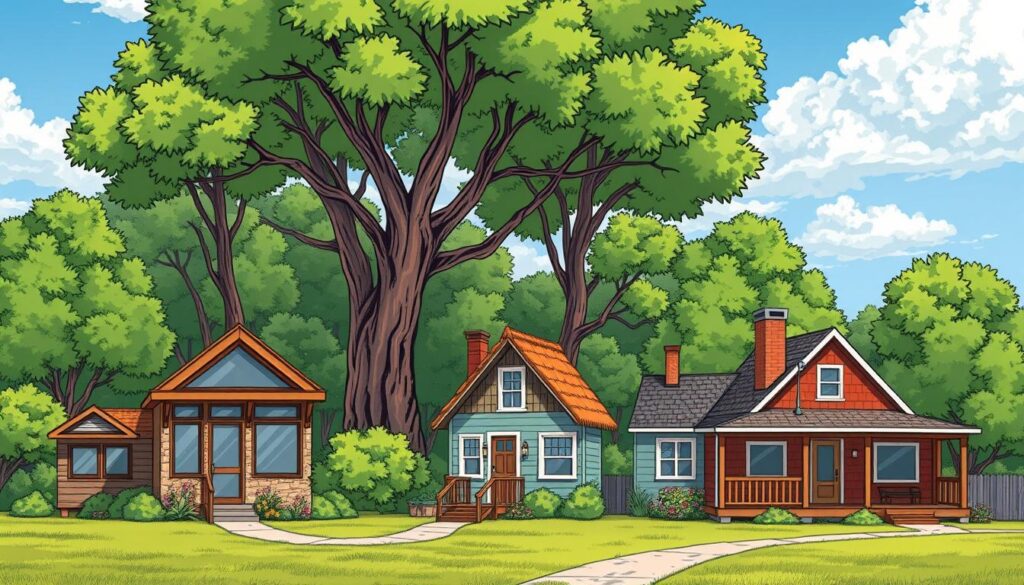
Small homes usually fall into two main categories: traditional and contemporary designs. Traditional designs are all about classic looks, with wooden structures, pitched roofs, and a rustic feel. They appeal to those who love warmth and familiarity, making them great for cozy cabins in the woods.
Contemporary designs, however, are all about modernity and innovation. They have sleek lines, open spaces, and use sustainable materials. These homes offer efficient layouts that make the most of space, perfect for a minimalist lifestyle. Each style has its own charm, reflecting our personal taste and lifestyle goals.
Modular and Prefabricated Options
Modular and prefabricated homes have become popular for their efficiency. Companies like Wheelhaus and Plant Prefab show how these homes can be customized and eco-friendly. They use off-site construction for quick assembly on site, keeping quality high.
This modern approach is great for those who want to reduce their ecological impact. Living in a tiny home can reduce our ecological footprint by 45%. Brands like The Site Shack and Rent the Backyard offer unique prefab models. They help us live comfortably and stylishly while being eco-friendly.
The Home Building Process Explained
Understanding the home building process is key to a successful project. Each step, from planning to getting permits, is crucial. We’ll outline the journey in phases to set expectations for timelines and responsibilities.
From Planning to Permits
The first stage is detailed planning. Here, we decide on the layout, style, and features of our home. Getting the necessary permits is vital. Permits can cost between $1,000 to $3,000.
Additional permits for electrical, plumbing, HVAC, and grading may also be needed. Each has its own fees. These permits ensure our build is compliant and efficient.
Construction Phases and Timelines
With permits in hand, construction begins. The whole process usually takes three to six months. This includes site prep, foundation work, framing, and installing utilities.
The concrete foundation curing time is 28 to 60 days. But, construction can start sooner if the weather is good. Choosing the right insulation, like spray foam or fiberglass, is important for energy efficiency.
Post-Construction Support and Follow-up
After construction, our work isn’t done. Post-construction support ensures we’re happy with our new home. This includes final inspections by independent inspectors.
These inspections check if all building code standards are met. Once passed, we get a certificate of occupancy. It’s wise to use warranty programs that cover issues soon after moving in. Regular follow-ups with builders can make our experience better, ensuring we’re supported long after moving in.
Budgeting for Your Small Home Build
Building a small home requires careful planning and budgeting. A solid construction budget is key to turning our dream into reality. We’ll look at the costs, discuss what affects our budget, and explore financing options.
Understanding Costs of Construction
First, we need to know the main costs of building a home. Here’s a list of key components that affect the total cost:
| Construction Element | Percentage of Total Cost | Total Cost |
|---|---|---|
| Exterior Finishes | 18% | $59,869 |
| Sitework and Improvements | 14% | $46,754 |
| Foundation and Concrete | 7% | $24,480 |
| Rough Framing | 15% | $49,456 |
| Insulation | 5% | $16,676 |
Factors Influencing Your Budget
Many things can change our construction budget. Location is a big factor, with city areas costing more. Material choices also vary in price. Custom designs can add complexity and cost.
It’s wise to budget around $313,141, with some willing to spend up to $50,000 more. Keeping up with market trends, like CBRE’s 14.1% cost increase forecast, helps us plan better.
Potential Financing Options
Exploring financing options is crucial for budgeting. Here are some strategies to consider:
- Traditional mortgages, which provide fixed or variable rates.
- Construction loans that cover building expenses on a short-term basis.
- Home equity lines of credit, allowing us to borrow against our existing home’s value.
- Specialized loans for green building projects, which may yield lower rates due to the energy efficiency of the designs.
Knowing these financing options helps us manage our budget and make smart choices for our small home build.
Inspirational Small Home Ideas
Exploring small home ideas sparks our creativity. It lets us dream up spaces that are both useful and beautiful. Unique design concepts are key to turning tight spaces into cozy and inspiring places. We look at creative ways to use every inch, blending style with function.
Showcasing Unique Design Concepts
Small homes offer a blank slate for bold design ideas. They push us to think outside the box and use space in new ways. Here are some fresh ideas for making the most of small living spaces:
- Architectural styles range from cozy traditional cottages to modern container homes, each offering distinctive character.
- Thoughtful use of space can include sleeping lofts, wide decks, and breakfast nooks, enhancing functionality.
- Incorporating natural light through expansive windows fosters a sense of openness in smaller areas.
- Specific themes such as eco-friendly designs or fairy-tale aesthetics elevate small home ideas into spaces filled with personality.
- Outdoor living becomes an extension of the indoor area with gardens, porches, and comfortable fire pits ideal for entertaining.
Unique design concepts bring charming features that make our homes special. Think wood-burning fireplaces or barrel-style hot tubs for relaxation. Using salvaged materials adds a touch of sustainability and uniqueness. With nightly rental costs from $59 to $400, these homes offer amazing experiences in places like Woodstock, Quebec, and Brazil.
| Feature | Examples |
|---|---|
| Amenities | Solar showers, composting toilets, cedar soaking tubs |
| Architectural Styles | A-frames, windmill conversions, glass-walled structures |
| Unique Features | Canary yellow cabinetry, butterfly structures, open-air living rooms |
These homes range from 250 to 1000 square feet, offering endless possibilities for small home ideas. Using colors, patterns, and salvaged materials makes our interiors rich and imaginative. Let’s explore the possibilities of small living, knowing that unique designs can make even the smallest spaces feel spacious.
Conclusion
Building our dream home with small house companies is a special mix of personal touch, smart design, and green living. We’ve looked at many things, like how to pay for it and making the most of small spaces. Each part helps us create a home that fits our life and values perfectly.
The cost of homes also plays a big role. In March 2024, the price of an old home was $393,500, and new ones were about $430,700. But, building a house from scratch costs around $313,069. This means we can make our dream home without breaking the bank. We’ve learned how to plan, follow local rules, and find great builders to help us.
Whether we love tiny homes or modern designs, working with small builders lets us make a home that’s truly ours. For tiny home fans, knowing the law and finding ways to use space well is key. The next step is to turn our dream into a real place to live. For more on tiny home living, check out this useful guide.

