Thinking about home makes us dream of cozy spots and laughter. But, there’s a world of building costs that can feel overwhelming. From materials to labor, the costs of building a small house are both exciting and uncertain. We need to know how much it will cost to make a small house our sanctuary.
In this article, we’ll explore the complex world of home construction expenses. We’ll look at the factors that affect building costs to ease your worries about creating your dream home. We’ll cover material costs, labor, and new building methods to help you understand the process. Let’s make our dreams a reality, starting with knowing the costs of building a small house.
Key Takeaways
- Building costs for small homes are influenced by various factors, including materials and labor.
- Planning ahead is crucial to managing home construction expenses effectively.
- The use of innovative techniques can reduce overall building costs.
- Understanding financing options and government incentives can ease the financial burden of construction.
- Local programs offer financial assistance aimed at promoting affordable housing solutions.
Understanding the Basics of Building Costs
Starting a home construction project means understanding the different costs involved. Knowing these costs helps with financial planning. Factors like labor, materials, location, and regulations all play a part in the budget.
Key Factors Influencing Cost
Location is a big factor in building costs. Urban areas have higher costs due to land and labor demand. For example, construction costs per square foot vary by region.
The average cost to build a single-family home in 2023 is about $298,136. Costs can range from $111,980 to $484,293, depending on size and details.
The Importance of Planning Ahead
Planning is key to managing construction costs. A detailed budget helps guide finances. Include costs for excavation, foundation, roofing, and permits.
Pre-construction costs, like permits and plans, are also important. Assessing potential challenges, like material availability, helps avoid risks. This keeps the project on schedule.
| Construction Phase | Average Cost |
|---|---|
| Excavation | $3,000 |
| Foundation (slab and piers) | $9,260 |
| Roofing | $13,760 |
| Rough Carpentry Labor | $22,260 |
| Wiring | $8,000 |
| Flooring | $5,000 |
How Much Does It Cost to Make a Small House
Knowing the cost of a small house helps avoid surprises. The cost can change a lot based on different things we need to think about.
Average Cost Breakdown
Building a small house usually costs between $150 and $250 per square foot. For example, a 1,000-square-foot home might cost between $150,000 and $250,000. This includes both the materials and labor, and also design and permit fees. Here’s a quick look at some costs:
| Construction Aspect | Estimated Cost |
|---|---|
| Cost of a tiny home | Approximately $50,000 |
| Basic cabin kit | $6,000 – $8,000 |
| Custom tiny house | $100,000 or more |
| Building on foundation | $53,000 – $57,000 |
| Average tiny home on wheels | $60,000 – $80,000 |
| Cost of land (per acre) | Varies from $2,000 (Alabama) to $13,000 (NJ, NY) |
Factors Affecting Overall Costs
Many things can change the cost of building a house. These include land prices, labor availability, and material costs. In cities, high demand for homes can make land more expensive. Also, a lack of workers can raise costs and delay projects.
- Material fluctuations: Prices for things like lumber and steel can change a lot, affecting our budget.
- Local regulations: These can add to the cost, so it’s important to know about local building codes and permits.
- Design complexity: Adding special features or luxury finishes can greatly increase the cost, leading to higher prices.
By understanding what affects costs, we can make better choices that fit our budget for small home projects.
Materials: The Building Blocks of Your Home
When planning our home construction project, the types of building materials we select play a pivotal role in shaping our budget and overall expenses. Understanding the various options available can significantly influence not only our initial investment but also the long-term maintenance costs of the home.
Types of Building Materials
Various building materials can be used in home construction, each offering distinct advantages and potential drawbacks. The following list provides an overview of common choices:
- Timber: Often lauded for its cost-effectiveness and availability, timber remains a popular choice for framing. Price fluctuations can arise from market conditions, affecting overall costs.
- Steel: This modern material provides durability and longevity, but it typically carries a higher price tag.
- Concrete: Known for its strength and sustainability aspects, concrete may add to initial costs but can offer energy efficiency in the long run.
- Composites: Offering benefits like reduced toxicity and enhanced durability, composite materials are becoming increasingly popular despite their higher upfront costs.
Impact of Material Costs on Budget
The impact of material costs on our budget planning is significant. Statistics reveal that approximately 90% of our project’s costs are earmarked for construction materials and labor. To ensure that we accurately estimate our building expenses, it is vital to account for recent trends in material pricing, which have surged considerably since the pandemic. For instance, the average cost to build a new house currently sits around $329,000, influenced heavily by the intricate details of material selection.
Here’s a breakdown of some of the essential material costs associated with building a new home:
| Item | Average Cost |
|---|---|
| Foundation (laying) | $8,900 |
| Roofing | $8,500 |
| Framing | $20,000 – $50,000 |
| HVAC System | $5,000 – $34,000 |
| Siding | $2 – $9 per square foot |
| Landscaping | $8,200 |
By carefully considering the types of materials we choose and remaining vigilant about market trends, we can effectively manage our construction budget and minimize the potential impact of material costs throughout the project. Understanding how different materials contribute to overall expenses enables us to make informed decisions that align with our financial goals.
The Role of Labor in Construction Costs
Labor is a big part of construction costs. Knowing about labor costs helps us plan better and ensure quality. The construction team usually makes up a big part of the budget, from 20% to 40%. Skilled workers cost more because they need special skills.
Understanding Labor Costs
Labor costs include direct and indirect expenses. Direct costs are about 20% of the total, while indirect costs can make it up to 40%. Availability of workers, project complexity, and location affect these costs.
Places like San Francisco and New York City have higher labor costs. This is because living there is expensive.
- Labor expenses can be impacted by:
- Seasonal changes in worker availability.
- Government rules that require more training or certifications.
- Increases in minimum wage for lower-skilled workers.
- Competition for skilled trades, which increases hiring costs.
Importance of Skilled Labor
It’s important to hire skilled tradespeople for quality construction. Electricians, plumbers, and carpenters are key for following rules and standards. With a shortage of skilled workers, companies face higher costs.
New immigration laws and the COVID-19 pandemic make things harder. While skilled labor costs more upfront, it saves money in the long run. It means buildings last longer and need less fixing.
Using experienced professionals also lowers the risk of delays and unexpected costs. This shows the value of doing the job right.
Dealing with Regulations and Permits
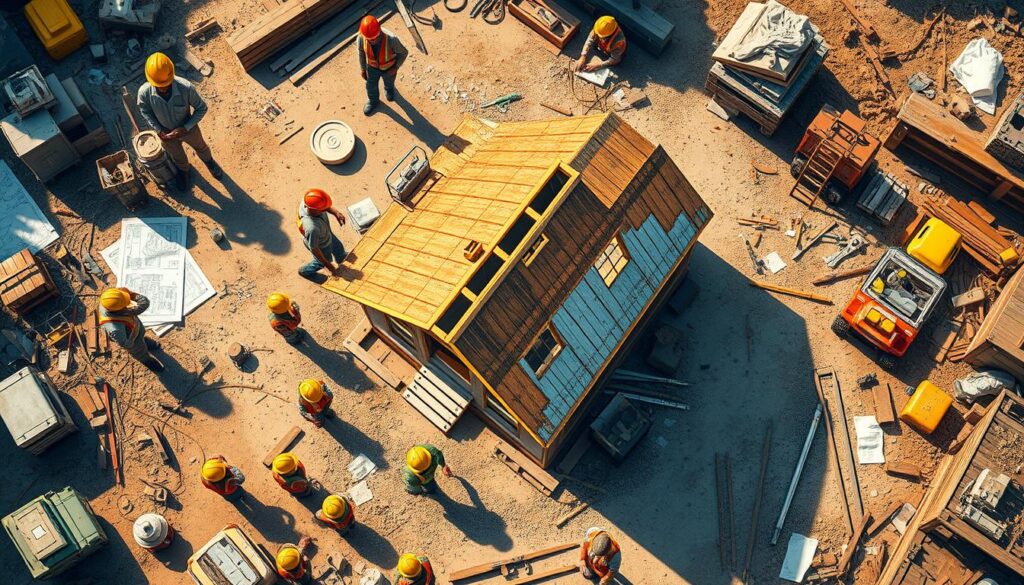
Understanding regulations and permits is key when starting a home construction project. Getting the right building permits is crucial and can be costly. These costs vary based on local laws and the project’s complexity, affecting our budget and planning.
Typical Permit Costs
The average cost of building permits is about $1,300. Prices can range from $400 to $2,000, depending on the project details. In big cities, these costs can go up, adding thousands to our budget. The cost also depends on the home’s value or size, making planning harder.
| Type of Permit | Cost Range | Notes |
|---|---|---|
| General Construction | $500 – $2,000 | Varies based on project scope |
| Electrical Permit | $50 – $350 | Dependent on fixtures added |
| Plumbing Permit | $30 – $500 | Cost per fixture applies |
| Roofing Permit | $150 – $500 | Varies for repairs vs. replacement |
| Demolition Permit | $100 – $450 | Costs vary by area and type |
How Regulations Impact Building Expenses
Local rules can significantly affect our building costs. In some places, too many rules can add up to 25% to construction costs. This includes following building codes, zoning laws, and safety rules. Delays in getting permits can also increase costs by about $31,000, showing why it’s important to talk to local authorities early.
Innovative Building Techniques That Save Money
Home construction is changing fast, thanks to new methods like 3D-printing and modular homes. These approaches cut costs and speed up building times. They’re key to making homes more affordable today.
3D-Printing Technology in Home Construction
3D-printing is changing how we build homes. It makes homes faster and cheaper. For example, a 650-square-foot home can cost under $10,000 to print.
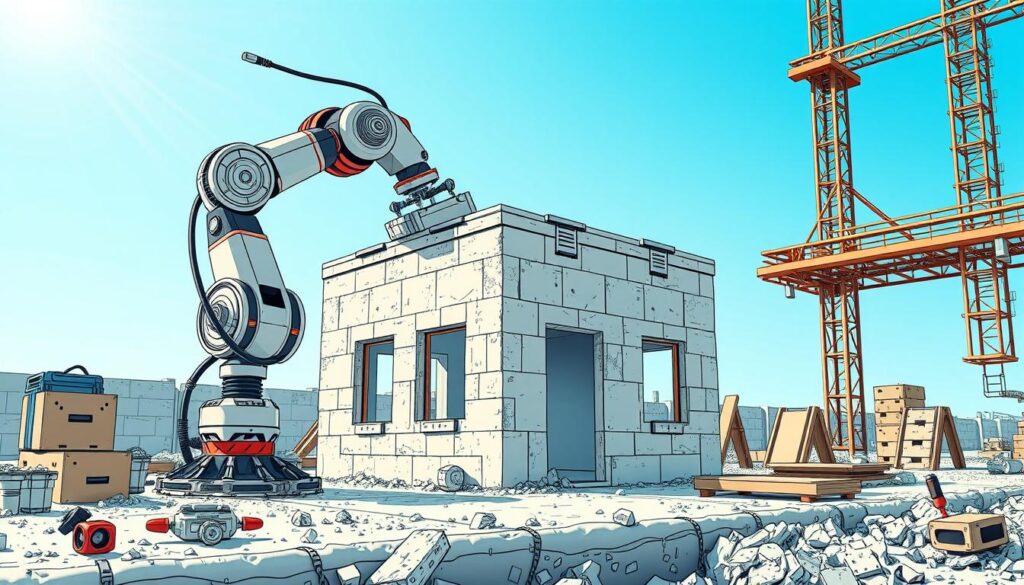
3D-printing also cuts down on waste and speeds up building. It’s helping solve the housing shortage while keeping quality high. This technology is leading to more eco-friendly building.
Modular and Prefabricated Homes
Modular and prefabricated homes are also efficient. They’re built in factories, which saves time and reduces environmental impact. Studies show they’re 20% to 50% faster and 10% to 14% cheaper than traditional homes.
- Lower per-square-foot costs: Modular homes often cost about $120 per square foot, while traditional homes can cost $150.
- Controlled environment: Factory settings reduce waste and improve efficiency, making building cheaper.
- Customization: Modular home makers offer custom designs, allowing buyers to meet their needs.
As demand for affordable housing grows, modular and prefabricated homes might be the answer. They help lower construction costs without losing quality or eco-friendliness.
Financing Your Small House Construction
Looking into financing is key for those wanting to build a small house. There are many financing options to meet different needs and budgets. Knowing these can help us make smart choices that match our goals.
Understanding Different Financing Options
When financing our small house, we have several choices:
- Mortgage loans: Great for buying property, they usually need down payments of 20% to 25%.
- Construction financing: Short-term loans, lasting up to a year, for building costs during construction.
- Personal loans: Can fill financing gaps but often have higher interest rates than regular loans.
First-time home buyers can benefit from VA or USDA loans. These might allow 0% down payments. This helps us start our dream projects without a big upfront cost.
Government Incentives for Home Builders
Government incentives are crucial for lowering building costs. Programs for first-time home buyers offer:
- Tax credits: Can lower our tax bill when building a new home.
- Grants: Direct financial help for construction costs.
Organizations like HUD are key in promoting affordable housing. By using these incentives, we can make our small house dream a reality. Understanding these options helps us tailor our approach to our unique situation. This ensures our investment leads to a fulfilling living space.
Conclusion
Understanding home construction costs is key for those thinking about small houses. The average tiny home price is between $30,000 and $70,000. This is much less than the $280,000 average for traditional homes.
Breaking down the costs helps us feel more confident about building our dream home. We look at materials, labor, regulations, and financing options. This way, we can tackle the challenges of building a small home.
Exploring small house tips, we find many benefits. Tiny homes have a smaller environmental impact and lower utility bills. For example, tiny home living can cut monthly costs to $500, compared to $1,000 for traditional homes.
This financial benefit helps us pay off debt faster. It also helps us reach our financial goals sooner. With this knowledge, we can start our small house projects with confidence.
Knowing about building permits and foundation costs is crucial. Being informed helps us succeed in our small home projects. Building a small home can save money, offer valuable experiences, and create a sustainable living space for us and future generations.
FAQ
How much does it cost to make a small house?
What are the main factors influencing building costs?
What is the importance of planning ahead when building a small house?
How do material costs impact the overall budget for home construction?
What are typical permit costs associated with building a small house?
FAQ
How much does it cost to make a small house?
Building a small house costs between 0 to 0 per square foot. For a 1,000-square-foot home, this means spending 0,000 to 0,000. This includes all costs, both big and small.
What are the main factors influencing building costs?
Several things affect building costs. Location, labor, materials, and local rules are key. Urban areas often have higher costs for land and labor. Material prices also change a lot.
What is the importance of planning ahead when building a small house?
Planning well helps us make a detailed budget. This way, we can handle any unexpected costs during construction.
How do material costs impact the overall budget for home construction?
Material costs are a big part of our budget. Since the pandemic, prices have gone up. It’s important to plan for these increases to avoid financial trouble.
What are typical permit costs associated with building a small house?
Permit fees can be between
FAQ
How much does it cost to make a small house?
Building a small house costs between $150 to $250 per square foot. For a 1,000-square-foot home, this means spending $150,000 to $250,000. This includes all costs, both big and small.
What are the main factors influencing building costs?
Several things affect building costs. Location, labor, materials, and local rules are key. Urban areas often have higher costs for land and labor. Material prices also change a lot.
What is the importance of planning ahead when building a small house?
Planning well helps us make a detailed budget. This way, we can handle any unexpected costs during construction.
How do material costs impact the overall budget for home construction?
Material costs are a big part of our budget. Since the pandemic, prices have gone up. It’s important to plan for these increases to avoid financial trouble.
What are typical permit costs associated with building a small house?
Permit fees can be between $1,000 to $5,000. They depend on the project’s complexity and local rules. We should include these costs in our budget to avoid fines and delays.
How does skilled labor affect construction costs?
Skilled labor is crucial for quality construction. It makes up about 40% of the budget. While it may seem expensive, it ensures better quality and lasts longer.
What innovative building techniques can help save money?
New methods like 3D printing and modular construction can cut costs and time. For example, a 650-square-foot 3D-printed home costs under $10,000. It’s a very cost-effective choice.
What financing options are available for constructing a small house?
There are many financing options. These include mortgage loans, personal loans, and construction-to-permanent loans. Knowing these can help us choose the best way to fund our home.
Are there government incentives available for home builders?
Yes, there are government programs for first-time homebuyers. They offer tax credits and grants. These can greatly reduce the cost of building a small house, making it more affordable for many.
,000 to ,000. They depend on the project’s complexity and local rules. We should include these costs in our budget to avoid fines and delays.
How does skilled labor affect construction costs?
Skilled labor is crucial for quality construction. It makes up about 40% of the budget. While it may seem expensive, it ensures better quality and lasts longer.
What innovative building techniques can help save money?
New methods like 3D printing and modular construction can cut costs and time. For example, a 650-square-foot 3D-printed home costs under ,000. It’s a very cost-effective choice.
What financing options are available for constructing a small house?
There are many financing options. These include mortgage loans, personal loans, and construction-to-permanent loans. Knowing these can help us choose the best way to fund our home.
Are there government incentives available for home builders?
Yes, there are government programs for first-time homebuyers. They offer tax credits and grants. These can greatly reduce the cost of building a small house, making it more affordable for many.

