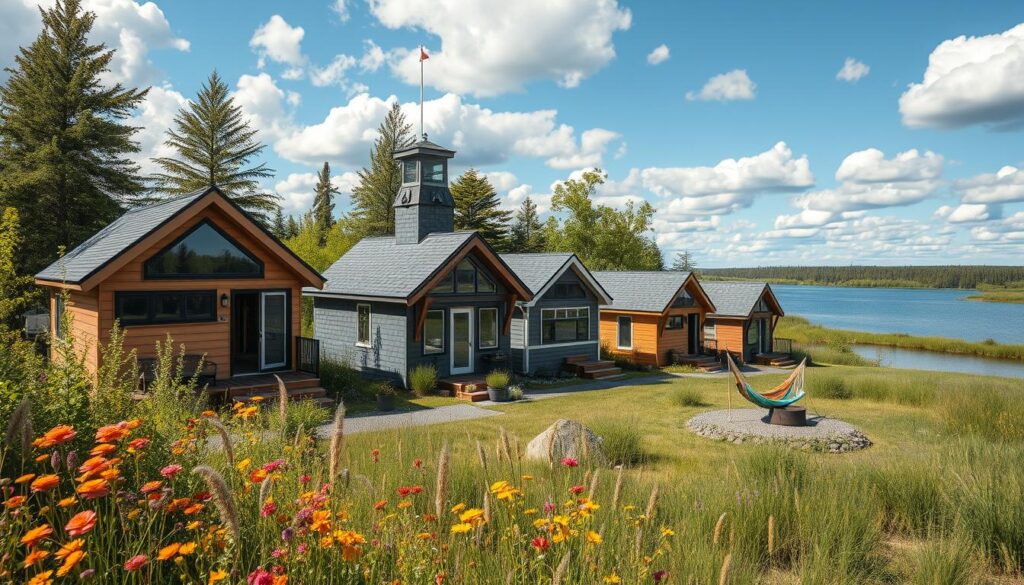
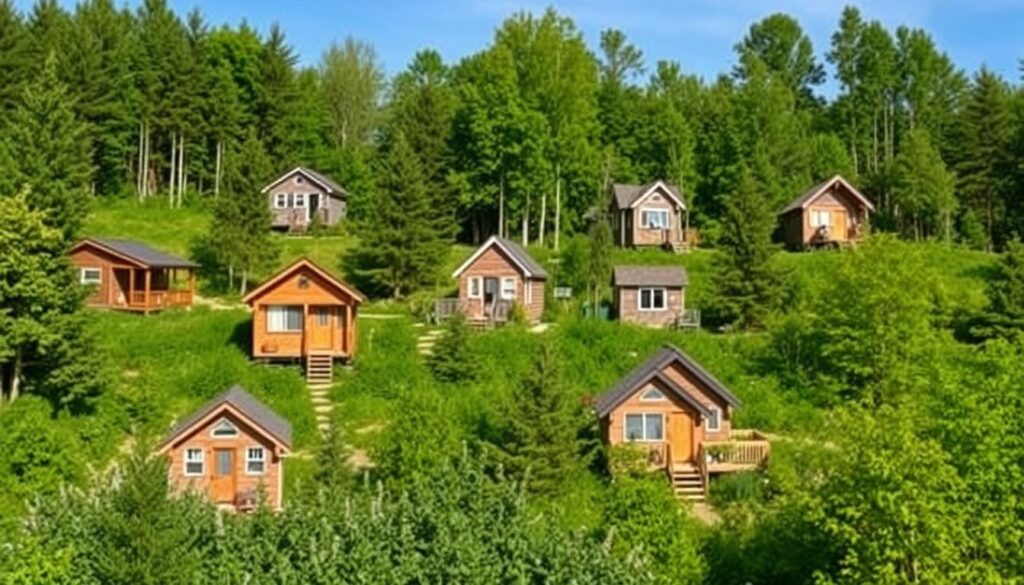
As the average price of a home in Canada reached a staggering $698,530 in March 2024, the appeal for more affordable housing options like tiny homes has grown significantly. These compact dwellings, typically under 400 square feet, offer an innovative solution to the housing crisis, emphasizing efficient living and space utilization. However, the legal status and regulations surrounding tiny homes in Canada vary greatly across provinces and municipalities, creating a complex landscape for prospective homeowners.
Key Takeaways
- The legal status and regulations for tiny homes in Canada differ by province and municipality.
- Some Canadian municipalities are exploring ways to accommodate tiny homes, such as allowing secondary or garden suites on residential properties.
- Financing and obtaining insurance coverage for tiny homes can be challenging due to the non-standard nature of these dwellings.
- Choosing the right location for a tiny home involves navigating zoning regulations, utility access, and available land or RV parks.
- The tiny home movement in Canada is driven by the desire for simpler, more sustainable lifestyles and downsizing options.
Introduction to Tiny Homes in Canada
Tiny homes in Canada are compact living spaces, typically under 400 square feet, that offer a minimalist lifestyle focused on efficient living and use of space. These dwellings are gaining popularity as affordable and eco-friendly housing options, particularly as traditional real estate prices continue to rise. Let’s delve into the definition, benefits, and challenges of tiny home living in the Canadian context.
Definition and Overview of Tiny Homes
A tiny home in Canada is a small, self-contained residential unit that typically ranges from 100 to 400 square feet in size. These homes are designed to maximize space and minimize the environmental impact, often incorporating features like lofted bedrooms, multi-purpose furniture, and efficient storage solutions. The tiny home movement in Canada promotes a lifestyle of simplicity, financial freedom, and reduced environmental footprint.
Benefits and Challenges of Tiny Home Living
- Advantages of tiny homes in Canada:
- Reduced living expenses, including lower utility bills and property taxes
- Smaller environmental impact due to lower energy consumption and waste generation
- Increased mobility and flexibility to relocate easily
- Opportunities for a more minimalist, sustainable, and stress-free lifestyle
- Challenges of tiny home living in Canada:
- Adjusting to a more compact living space and downsizing personal belongings
- Navigating zoning regulations and building codes that may not accommodate tiny homes
- Limited storage space and the need for creative storage solutions
- Potential difficulties in securing financing and insurance for tiny homes
As the tiny home movement continues to evolve in Canada, understanding the definition, benefits, and challenges of this unique living arrangement is essential for those considering this lifestyle change.
“Tiny homes allow us to live more intentionally and focus on what truly matters, rather than accumulating material possessions.”
Legal Landscape of Tiny Homes in Canada
The legal status of tiny homes in varies significantly across provinces and municipalities. While some regions have specific regulations and zoning laws addressing tiny homes, others may lack clear guidelines, leaving homeowners to navigate a complex and often ambiguous landscape.
Tiny homes in Canada are generally defined as dwellings with a maximum floor area of 500 square feet. In Ontario, for instance, the tiny home movement has gained momentum in recent years, with the province’s zoning laws regulating where different types of housing can be located and what they can be used for.
Movable tiny homes are subject to different zoning regulations than their stationary counterparts in Ontario. Some rural areas, such as the County of Brant, permit the placement of movable tiny homes on agricultural land for up to five years with the landowner’s permission. However, in urban areas and most residential neighborhoods, tiny homes are often not permitted due to concerns over safety, sanitation, and community aesthetics.
To ensure tiny home legality and compliance with tiny home regulations in Canada, it is essential for homeowners to research the tiny house laws specific to their province and municipality. Organizations like Tiny Home Alliance Canada and the Tiny House Society can offer valuable support and guidance on navigating the legal landscape.
“In Ontario, tiny homes must have a total square footage of over 188 square feet to be considered legal. They are also required to have a living/sleeping area, bathroom with bath or shower, and a cooking area with running water.”
Ultimately, the legal status of tiny homes in Canada remains a complex and evolving issue, with homeowners needing to carefully consider local regulations and seek professional advice to ensure their tiny home is compliant and secure.
Provincial and Municipal Regulations
In Canada, tiny homes must comply with a complex web of provincial and municipal regulations, including zoning laws and building codes. These guidelines vary significantly across the country, requiring tiny home enthusiasts to navigate a patchwork of local requirements to make their dreams a reality.
Zoning Laws and Building Codes
The legality of tiny homes in Canada largely hinges on local zoning laws and building codes. For instance, in Ontario, the minimum size for a separate dwelling that can be used year-round is 188 square feet, as per the Building Code. Many municipalities in the province, however, have yet to explicitly define tiny houses on wheels, often treating them as mobile homes permitted only in designated parks.
Inspections are required throughout the building process if the tiny home is not constructed in a CSA-certified facility for manufactured homes. Interestingly, urban and suburban areas in Ontario generally do not have additional minimums on residential buildings in zoning by-laws beyond the 188 square-foot Building Code requirement.
Minimum Size Requirements and Restrictions
Tiny home enthusiasts in Canada must also navigate a patchwork of minimum size requirements and other restrictions imposed by provincial and municipal authorities. While some regions, such as rural or agricultural zones in Ontario, tend to be more flexible, urban and suburban areas often pose greater challenges for those seeking to build or live in tiny homes, especially on wheels.
Despite these hurdles, the tide is turning in Canada, as the government and municipalities become more receptive to tiny homes as a housing solution. The province of Ontario, for instance, is actively encouraging legal living arrangements in tiny homes, including the permitting of secondary dwelling units without the need for rezoning.
As the tiny home movement continues to gain momentum in Canada, the legal landscape remains in flux, requiring prospective tiny home owners to stay informed and adaptable to the ever-changing regulations in their local jurisdictions.
Design and Construction Considerations
Constructing a tiny home in Canada requires meticulous planning and adherence to various regulations and safety standards. Navigating the legal landscape is crucial, as tiny homes in Canada are often classified as recreational vehicles (RVs) or manufactured homes, subject to specific zoning laws and building codes.
Building Codes and Safety Standards
The National Building Code of Canada stipulates that a dwelling unit must have a minimum floor area of 37 square meters (400 square feet) and a minimum ceiling height of 2.13 meters (7 feet). However, tiny homes typically fall below these requirements, necessitating working with experienced builders who understand the unique challenges and can ensure compliance with the relevant safety standards.
The Canadian Standards Association (CSA) has developed standards for RVs, including tiny homes on wheels, covering aspects like electrical systems, plumbing, and safety features. Adhering to these standards is essential for the construction and certification of tiny homes in Canada.
Customization and Layout Options
One of the advantages of tiny home living is the ability to customize the design and layout to suit individual preferences. From the placement of windows and doors to the configuration of the interior spaces, homeowners can work with specialized builders to create a personalized living environment that maximizes the available square footage. This level of customization can significantly enhance the functionality and comfort of a tiny home in Canada.
Careful planning and attention to design and construction details are crucial when building a tiny home in Canada, ensuring compliance with local regulations and creating a comfortable, tailored living space.
are tiny homes legal in canada
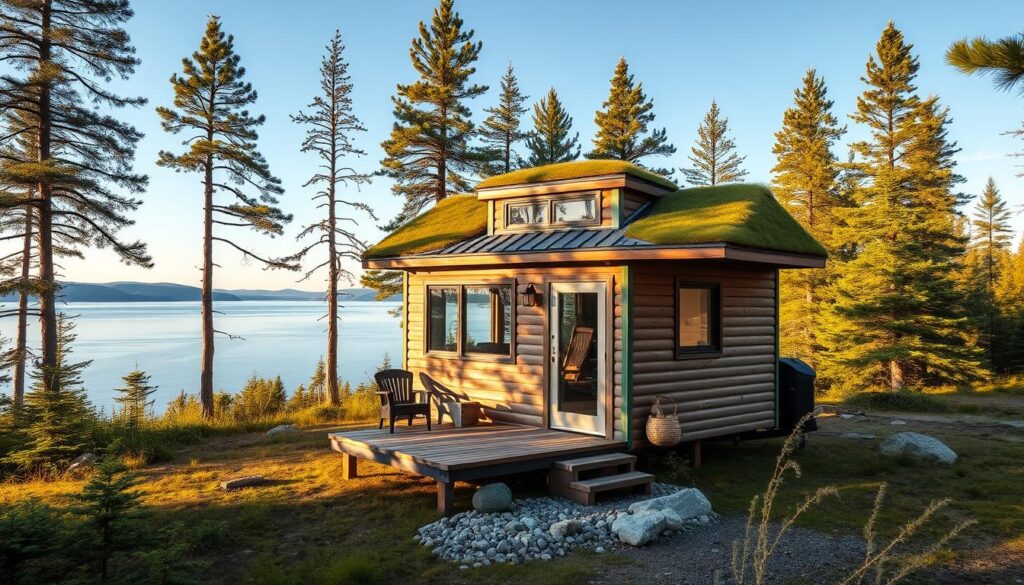
When it comes to the legality of tiny homes in Canada, the answer is not a simple yes or no. The legality of tiny homes can vary depending on the province and municipality you’re in. While some areas have specific regulations and zoning laws that address tiny homes, others may not have clear guidelines in place.
In Ontario, for example, tiny homes must meet certain requirements, such as a minimum square footage of 188 sq.ft. and the inclusion of essential living spaces like a kitchen, bathroom, and sleeping area. These tiny homes must also comply with the Ontario Building Code. Other provinces, such as Quebec and Nova Scotia, have limited areas where the construction of tiny homes is permitted, subject to specific regulations.
Obtaining the necessary permits and navigating the legal landscape is crucial for individuals interested in building or living in a tiny home in Canada. It’s important to research the local bylaws and regulations in your area to ensure your tiny home project is compliant.
| Tiny Home Type | Average Price Range in Canada |
|---|---|
| Tiny House on Wheels | $8,000 – $44,000 |
| Shipping Container Home | Around $65,000 |
| Micro House | $38,000 – $220,000 |
| Mobile Home | $100,000 – $200,000 |
Overall, while tiny homes are legal in Canada, their legality and the regulations surrounding them can vary significantly across the country. It’s essential for prospective tiny home owners to do their research and work closely with local authorities to ensure their tiny home project meets all the necessary requirements.
“The tiny home movement is gaining momentum in Canada, but navigating the legal landscape can be a challenge. It’s crucial to understand the specific regulations in your area before embarking on a tiny home project.”
Financing and Insurance for Tiny Homes
Navigating the world of tiny home financing and insurance in Canada can be a unique challenge. Traditional lenders may be unfamiliar with the concept of tiny homes, making it more difficult to secure a tiny home loan or mortgage. However, a growing number of credit unions and alternative lenders are recognizing the demand for tiny home financing and are developing specialized options to cater to this market.
Mortgage and Loan Options
One option for financing a tiny home in Canada is the Chattel Loan Insurance Program (CLIP) offered by the Canada Mortgage and Housing Corporation (CMHC). This program provides a way for tiny home owners to access home mortgages, even if their home is considered a chattel (movable) property rather than a permanent structure.
Beyond traditional mortgages, other financing options for tiny homes include:
- Refinancing an existing property to access funds for a tiny home
- RV mortgage options, which may be applicable for some tiny homes on wheels
- Lenders specializing in tiny home mortgages
- Home Equity Line of Credit (HELOC)
Insurance Coverage for Tiny Homes
Finding appropriate tiny home insurance in Canada can also present challenges, as standard homeowner’s insurance policies may not provide adequate coverage. Tiny home owners may need to seek out specialized insurance providers or policies that cater to the unique needs of tiny home living.
In British Columbia, the classification of a tiny home as either a permanent structure or a movable asset can also impact property taxes and insurance requirements. Potential tax incentives may be available for environmentally efficient tiny homes.
| Tiny Home Financing Considerations | Tiny Home Insurance Considerations |
|---|---|
|
|
The tiny home trend in Canada presents both challenges and opportunities when it comes to financing and insurance. By exploring specialized options and working with knowledgeable professionals, tiny home enthusiasts can navigate these unique considerations and find the right solutions to make their dream a reality.
Tiny Home Communities and Land Leasing
As the tiny home movement gains momentum in Canada, innovative solutions are emerging to address the challenges of finding suitable land and locations for these compact dwellings. Tiny home communities and land leasing options are becoming increasingly popular, providing alternative living arrangements for tiny home enthusiasts.
Tiny home communities in Canada offer shared amenities and a supportive environment for residents. These communities, such as the popular Big Calm in British Columbia and Robin and Ted in Ontario, provide the infrastructure and shared resources necessary for tiny home living. Residents can lease a designated “pad” or plot of land to place their tiny home, while enjoying access to communal facilities like laundry, recreational spaces, and even shared workshops.
For those who prefer more flexibility, land leasing presents another option. By renting or leasing a plot of land, tiny home owners can situate their dwellings without the need to purchase property. This arrangement can be particularly advantageous for those who are not ready to commit to a specific location or want to explore different regions. However, it’s important to carefully consider factors such as utility connections, maintenance costs, permitted land use, and lease terms before entering into a land leasing agreement.
While the classic tiny home community model is relatively rare in Canada, alternative models are emerging, such as unorganized land communities and municipal-sponsored affordable housing communities. These innovative approaches aim to address the unique challenges faced by tiny home enthusiasts, including infrastructure development costs, remote locations, and regulatory hurdles.
As the tiny home movement continues to evolve, the landscape of tiny home communities and land leasing options in Canada is expected to become increasingly diverse and accommodating. By exploring these alternatives, tiny home owners can find the right fit for their lifestyle and overcome the obstacles of traditional housing arrangements.
Off-Grid Living and Sustainable Solutions
As the tiny home movement continues to gain momentum in Canada, many homeowners are exploring innovative ways to live off-grid and embrace sustainable living. From harnessing the power of the sun to implementing eco-friendly waste management systems, tiny home dwellers are leading the charge in creating more environmentally conscious living spaces.
Solar Power and Composting Toilets
One of the key features of many off-grid tiny homes in Canada is the integration of solar power systems. By installing solar panels, tiny home owners can generate their own renewable energy, reducing their reliance on traditional power grids and lowering their carbon footprint. Complementing this sustainable energy source are composting toilets, which eliminate the need for water-intensive plumbing and effectively manage waste without the use of harmful chemicals.
Water Conservation and Waste Management
Tiny home living also lends itself to innovative water conservation and waste management strategies. Greywater systems that recycle used water for irrigation, along with rainwater harvesting for potable use, help tiny home dwellers minimize their water consumption. Moreover, comprehensive waste management plans, including composting and responsible disposal, ensure that tiny home communities maintain a sustainable and eco-friendly lifestyle.
By embracing off-grid living and sustainable solutions, tiny home owners in Canada are leading the way in reducing their environmental impact and enjoying a more self-sufficient lifestyle. From solar power and composting toilets to water conservation and waste management, these innovative approaches are transforming the way we think about housing and resource consumption.
| Feature | Benefit |
|---|---|
| Solar Power | Renewable energy generation, reduced reliance on traditional power grids, and lower carbon footprint. |
| Composting Toilets | Eco-friendly waste management, elimination of water-intensive plumbing, and reduction in chemical usage. |
| Greywater Systems | Recycling of used water for irrigation, minimizing overall water consumption. |
| Rainwater Harvesting | Capturing and utilizing rainwater for potable use, further reducing the demand on municipal water supplies. |
| Comprehensive Waste Management | Composting, responsible disposal, and maintaining a sustainable, eco-friendly lifestyle within the tiny home community. |
These sustainable solutions not only contribute to a more environmentally conscious way of living but also empower tiny home owners to be self-reliant and reduce their overall resource consumption. As the tiny home movement continues to evolve in Canada, these off-grid and eco-friendly innovations are poised to play a vital role in shaping the future of sustainable housing.
Lifestyle Adjustments and Downsizing Tips
Transitioning to a tiny home lifestyle in Canada can be a significant adjustment, as it often requires downsizing one’s possessions and adapting to a smaller living space. However, for many Canadians, this shift offers numerous benefits, including reduced living expenses and a more environmentally conscious way of life.
Bianca Metz, a tiny living consultant who has been living in a 240-square-foot tiny house in Ontario for almost six years, emphasizes the importance of downsizing for tiny homes and embracing a minimalist mindset. Bianca works with individuals nationwide, assisting them in moving into tiny houses and adjusting to tiny home living in Canada.
Bianca explains that the key to successful tiny home living is not about the size of one’s home, but rather about “measuring success differently by focusing on values and attitude, not material possessions.” Committing to a mindful and minimal lifestyle can lead to undeniable benefits, such as financial freedom and a reduced environmental footprint.
- Start the downsizing process with the right information to avoid costly mistakes related to building codes, certifications, and legal parking requirements.
- Reach out to a tiny living consultant like Bianca at the beginning of the downsizing journey to ensure a smoother transition to tiny living.
- Be prepared to let go of possessions and embrace a more minimalist lifestyle, which can be transformational if done for specific reasons, including lower consumption, financial freedom, reduced environmental impact, and reconnecting with oneself and nature.
Minimaliste, a Canadian tiny home builder, has been delivering custom-designed tiny homes across North America for the past six years. The company has acknowledged that tiny homes are not just a passing trend, but represent a shift in the housing industry towards a continual lifestyle change. By offering standardized models and custom builds, Minimaliste aims to set a quality standard in the tiny home industry in Canada.
As the demand for tiny homes continues to grow, Canadians interested in embracing this lifestyle are encouraged to approach the transition with the right information and support. By downsizing for tiny homes and adjusting to tiny home living in Canada, individuals can unlock the benefits of a more mindful, sustainable, and financially-free way of life.
Conclusion
As the article has explored, the rise of tiny homes in Canada presents both opportunities and challenges. While the affordability and sustainability of tiny home living have captured the imagination of many Canadians, navigating the legal and practical aspects of this alternative housing option can be complex.
From the varying regulations across provinces and municipalities to the financial considerations of financing and insuring a tiny home, the tiny home movement in Canada has made significant strides, but still faces obstacles. Yet, the growing communities of tiny home enthusiasts and the gradual adaptation of regulations suggest that the future of tiny homes in Canada is promising.
As Canadians continue to grapple with the housing affordability crisis and seek more eco-friendly and minimalist lifestyles, the tiny home movement offers a unique solution. With careful planning, research, and a willingness to adapt, the dream of tiny home living can become a reality for many Canadians, transforming not only their living spaces but their overall quality of life.