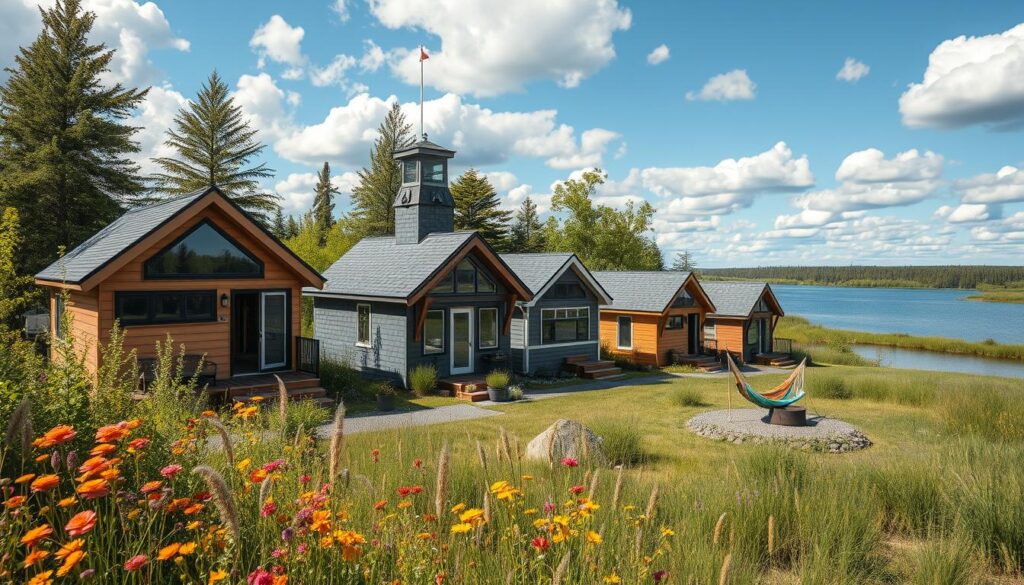
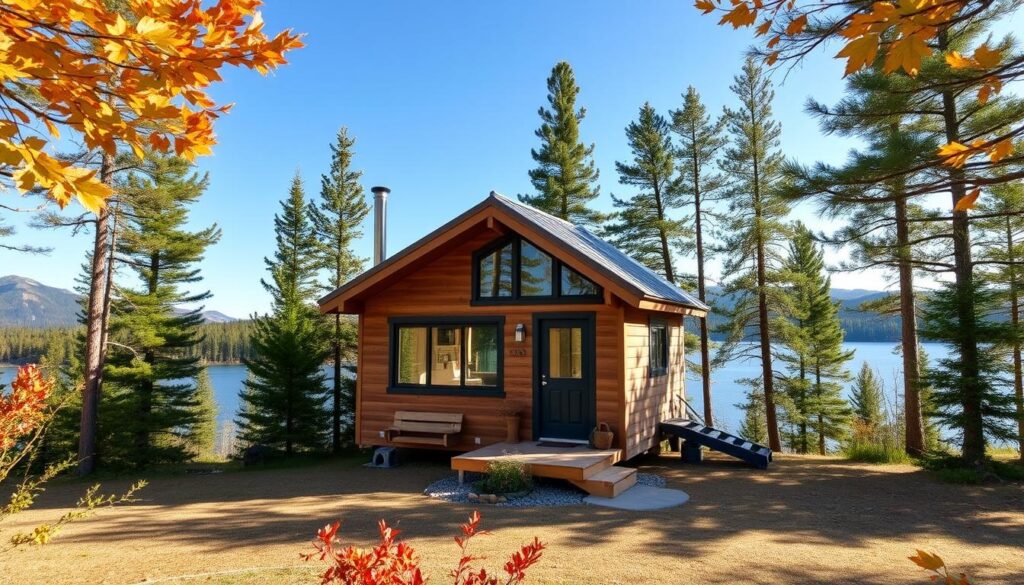
In the heart of the Canadian province of Ontario, a quiet revolution is taking place. Homeowners, young and old, are embracing the tiny home movement, trading in their spacious abodes for a more compact, sustainable, and affordable lifestyle. However, navigating the legal landscape of tiny homes in Ontario can be as challenging as building one.
Meet Sarah, a young professional who dreamed of owning her own home. After months of research, she decided that a tiny home was the perfect solution. “I was tired of wasting money on rent, and I wanted to live a more environmentally-conscious life,” she explains. But when Sarah started exploring her options, she quickly realized that the rules and regulations around tiny homes were complex and varied across different municipalities.
This article aims to shed light on the legal status of tiny homes in Ontario, helping homeowners like Sarah navigate the maze of building codes, zoning bylaws, and municipal requirements. From understanding the minimum and maximum size restrictions to navigating the approval process, we’ll cover the key considerations that every tiny home enthusiast in Ontario needs to know.
Key Takeaways
- Tiny homes in Ontario must adhere to specific size requirements, with a minimum of 17.5 m2 (188 ft2) and a maximum of 37 m2 (400 ft2) in some municipalities.
- Consulting with local authorities and hiring professionals, such as a Building Code designer, planner, architect, or engineer, is crucial when adding a tiny home to your property.
- Zoning bylaws play a significant role in determining the feasibility of a tiny home, with some municipalities offering solutions like zoning amendments or variances.
- Tiny homes in Ontario can be built on foundations or on wheels, but must still comply with the Building Code and local regulations.
- Servicing requirements, such as water, sewage, electricity, and utilities, must be addressed when installing a tiny home.
By understanding the legal landscape of tiny homes in Ontario, homeowners can navigate the process with confidence and create the sustainable, affordable living spaces they desire.
Learn more about tiny homeconstruction laws in.
Introduction to Tiny Homes in Ontario
In the vibrant province of Ontario, the tiny home movement has gained significant momentum in recent years. These compact, self-contained dwellings offer an enticing alternative to traditional housing, attracting both young professionals and retirees seeking a more sustainable and minimalist lifestyle. But what exactly is a tiny home, and what are the benefits of this innovative living arrangement?
What is a Tiny Home?
A tiny home is a small, private, and self-contained living space designed for year-round use. These compact dwellings typically include living and dining areas, a kitchen, a bathroom, and a sleeping area, all within a footprint that is much smaller than a conventional home. The average size of a tiny home in Ontario is around 450 square feet, making them an attractive option for those looking to downsize and simplify their lives.
Benefits of Tiny Home Living
- Affordability: Tiny homes are significantly less expensive to build and maintain than traditional homes, making them an appealing choice for those on a budget.
- Sustainability: With their small footprint and energy-efficient design, tiny homes offer a more sustainable living option, reducing the environmental impact of the occupant.
- Mobility: Many tiny homes in Ontario are built on wheels, allowing owners to easily relocate or enjoy a more nomadic lifestyle.
- Minimalist Lifestyle: The compact nature of tiny homes encourages a minimalist approach to living, fostering a focus on experiences over material possessions.
- Benefits of Tiny Living Ontario: The growing popularity of tiny homes in Ontario is driven by their affordability, sustainability, and the desire for a simpler, more mindful way of life.
“Living in a tiny home has allowed me to truly focus on the things that matter most, without the burden of excess space and belongings. It’s a liberating and rewarding way of life.”
As the tiny home movement continues to gain traction in Ontario, more and more individuals are discovering the unique advantages of this innovative housing solution. Whether you’re looking to downsize, save money, or embrace a more sustainable lifestyle, the benefits of tiny living in Ontario are numerous and compelling.
Legal Requirements for Tiny Homes in Ontario
As the popularity of tiny homes continues to grow in Ontario, it’s crucial for prospective homeowners to understand the legal requirements and regulations governing these compact dwellings. Despite their small size, tiny homes in the province must still comply with the health and safety standards set forth by the Ontario Building Code, as well as any municipal zoning bylaws and local regulations.
One of the primary legal considerations for tiny homes in Ontario is the minimum size requirement. The Ontario Building Code mandates that a tiny home must measure between 17.5 m2 (188 ft2) and 37 m2 (400 ft2) to be considered a separate dwelling unit suitable for year-round living. This ensures that these compact homes meet the necessary safety and livability standards.
In addition to size constraints, tiny home owners in Ontario must also obtain the appropriate building permits from their local municipality before commencing construction or placement. This process typically involves submitting detailed plans and specifications to ensure the home meets all applicable legal requirements for tiny homes in Ontario, including regulations around building code for tiny homes in Ontario.
Another crucial aspect is servicing requirements for tiny homes. In most urban and suburban areas of Ontario, tiny homes must be connected to municipal water, sewer, and electricity services. The specific regulations for tiny homes in Ontario regarding utilities can vary by location, so it’s essential to consult with local authorities to understand the applicable rules and guidelines.
Overall, navigating the legal requirements for tiny homes in Ontario is a critical step for anyone considering building or placing a tiny home in the province. By understanding and adhering to the relevant regulations, tiny home enthusiasts can ensure their projects are compliant and contribute to the growing tiny home movement in a responsible and sustainable manner.
“Tiny homes represent an innovative and sustainable approach to housing, but it’s crucial that they are built and placed in accordance with the law to protect the health and safety of their occupants and the surrounding community.”
Tiny Home Sizes in Ontario
When it comes to tiny homes in Ontario, there are specific size requirements that homeowners must adhere to. The province has established both minimum and maximum size restrictions to ensure the safety and livability of these compact dwellings.
Minimum Size Requirements
According to the Ontario Building Code, the minimum size for a tiny home is 17.5 m2 (188 sq. ft.). This requirement ensures that the home provides adequate living space and meets basic safety standards. Tiny homes below this threshold may not be considered legal dwellings in the province.
Maximum Size Restrictions
While there is a minimum size requirement, Ontario also has maximum size restrictions for tiny homes. Typically, tiny homes in the province are considered to be less than 600 square feet in size. Some municipalities may have even stricter size limits, with maximum footprints ranging from 100 to 120 square feet on undeveloped land.
It’s important for individuals planning to build or purchase a tiny home in Ontario to research the specific size requirements in their local area. Adhering to these regulations is crucial to ensure the legality and safety of the tiny home.
“Understanding the size regulations is essential when planning and designing a tiny home in Ontario.”
By staying within the prescribed size limits, tiny home enthusiasts in Ontario can create comfortable and accessible living spaces while complying with the provincial and municipal guidelines.
Adding a Tiny Home to Your Property
As the demand for tiny homes continues to rise in Ontario, many homeowners are exploring the option of adding a tiny home to their existing property. However, the process of getting approval and legally incorporating a tiny home onto your land can be complex. Before embarking on this journey, it’s crucial to consult with your local municipal authorities and seek professional assistance.
Consulting with Local Authorities
The first step in adding a tiny home to your property is to connect with your municipal planning and building departments. These authorities can provide valuable guidance on the specific zoning requirements, building code compliance, and necessary permits for your property. They can help ensure your tiny home project meets all legal and regulatory standards, avoiding potential issues down the line.
Hiring Professional Assistance
To navigate the often intricate approval process, it is highly recommended to hire professionals such as a building code designer, planner, architect, or engineer. These experts can help you understand the various regulations and requirements, and ensure your tiny home is designed and constructed to meet all necessary codes and standards. By working with experienced professionals, you can streamline the process and increase your chances of getting your tiny home approved and successfully integrated into your property.
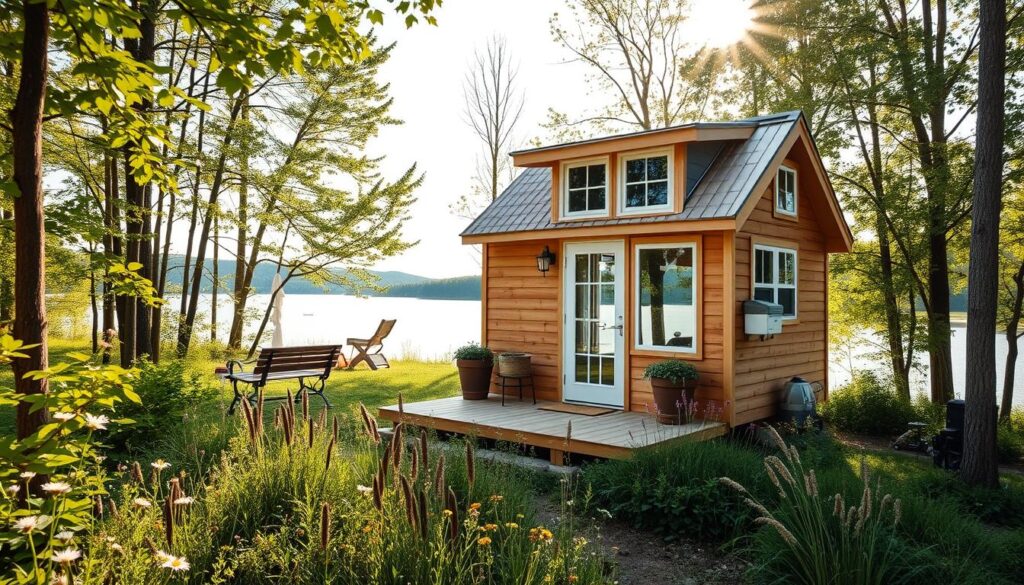
The market for tiny homes in Ontario is expected to grow by $5.80 billion between 2020-2024, driven by the increasing demand for more affordable and sustainable living options. By carefully navigating the legal and regulatory landscape, homeowners can unlock the benefits of tiny home living while ensuring their project aligns with local requirements.
are tiny homes legal in ontario
Tiny homes have been gaining popularity in Ontario as a more affordable and sustainable housing option. The good news is that tiny homes are indeed legal in the province, but there are specific regulations and requirements that owners must comply with.
According to the Ontario Building Code, tiny homes must have a minimum size of 188 square feet, and they must include essential features like a living/sleeping area, a bathroom with running water, and a cooking area. Additionally, tiny homes must adhere to various safety and construction standards outlined in the building code.
While there are no minimum footprint requirements in most Ontario municipalities, tiny home owners must obtain the necessary permits and approvals from local authorities before proceeding with construction or installation. This process can involve consultations with planning departments, zoning compliance, and compliance with any specific tiny home-related bylaws or regulations.
The Ontario government has been encouraging the construction of secondary dwelling units, including tiny homes, on existing properties to increase housing supply and density. This has made it easier for homeowners to add a tiny home to their backyard or vacant lot, provided they meet the legal requirements.
It’s important to note that non-compliance with building permits and regulations for tiny homes in Ontario can result in substantial fines, so it’s crucial for prospective tiny home owners to do their due diligence and work closely with local authorities throughout the process.
Overall, tiny homes can be a legal and viable housing option in Ontario, but the specific requirements and approval process can vary depending on the municipality. By understanding the regulations and working closely with local authorities, tiny home enthusiasts can make their dreams a reality while ensuring compliance with the law.
Zoning and By-Law Considerations
When it comes to tiny homes in Ontario, zoning bylaws play a crucial role in determining their legality and placement. These bylaws set out the permitted land uses, minimum lot sizes, and other requirements that can impact whether a tiny home is allowed on a particular property.
Zoning Requirements
Tiny homes in Ontario must adhere to the specific zoning regulations of the municipality where they are to be located. Some municipalities have embraced tiny homes and adapted their zoning bylaws accordingly, while others maintain stricter requirements. Property owners must carefully review the local zoning bylaws to ensure their tiny home project aligns with the permitted land uses and other regulations.
Seeking Zoning Amendments or Variances
If a tiny home project does not meet the existing zoning requirements, property owners may need to apply for a zoning bylaw amendment or a minor variance to proceed. This process involves working with local authorities to obtain the necessary approvals, which can be time-consuming and require additional fees. Understanding the specific zoning requirements and navigating the amendment or variance process is a crucial step in the journey of adding a tiny home in Ontario.
| Key Zoning Considerations for Tiny Homes in Ontario |
|---|
|
Navigating the zoning and bylaw considerations is a critical step in the process of adding a tiny home in Ontario. By understanding the local regulations and working closely with authorities, property owners can increase their chances of successfully incorporating a tiny home into their Ontario property.
Types of Tiny Homes in Ontario
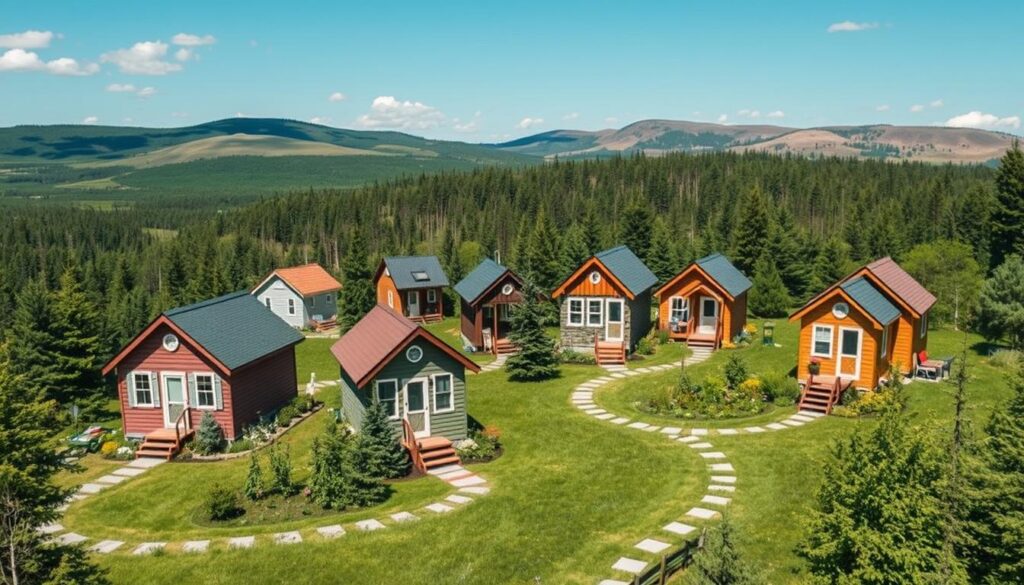
In the thriving tiny home landscape of Ontario, residents have a diverse array of options to choose from. Two of the most prevalent types are tiny homes on foundations and tiny homes on wheels (THOWs).
Tiny Homes on Foundations
Tiny homes built on permanent foundations are considered primary dwellings in Ontario and must adhere to the rigorous standards of the Ontario Building Code. These stationary structures offer a more traditional, long-term living solution for those seeking a compact, sustainable lifestyle. Tiny homes on foundations provide the stability and amenities of a conventional home, while still maintaining the space-saving benefits of tiny living.
Tiny Homes on Wheels
Alternatively, tiny homes on wheels offer a more mobile and flexible option for Ontarians. These self-contained, trailer-based dwellings are subject to a different set of regulatory requirements compared to their foundation-based counterparts. THOWs provide the freedom to explore the province and potentially set up in various locations, making them an appealing choice for those with a more nomadic lifestyle.
Regardless of the type, all tiny homes in Ontario must still comply with local zoning laws and servicing standards to be legally placed and occupied. Careful planning and compliance with the relevant regulations are essential for ensuring a smooth and successful tiny home journey in the province.
“The tiny home movement in Ontario has gained significant traction in recent years, offering residents a more sustainable and affordable living option.”
Building Code Compliance
Ensuring your tiny home in Ontario meets the requirements of the Ontario Building Code is a critical step in the construction and approval process. This comprehensive set of regulations is designed to safeguard the health and safety of occupants, regardless of the size of the dwelling.
The Building Code lays out specific standards for tiny homes, covering everything from structural integrity and fire safety to insulation and accessibility. Meeting these requirements is not only a legal obligation but also a moral imperative to provide a secure and comfortable living environment.
To comply with the Ontario Building Code, tiny home designs must adhere to the following key guidelines:
- Minimum total floor area of 17.5 m2 (188 sq ft), including a minimum of 13.5 m2 (145 sq ft) for the combined sleeping, living, dining, and kitchen spaces.
- Bathroom must have a minimum floor area of 3.0 m2 (32 sq ft).
- Minimum ceiling height of 2300 mm (7’6.5″) in living areas.
- Hallways must be at least 860 mm (2’8″) wide, and bedroom doors a minimum of 610 mm (2′) wide.
- Windows must cover at least 10% of the floor area in living rooms/dining rooms and 5% in bedrooms.
- Plumbing requirements include hot and cold water supply, sink, bathtub/shower, and toilet or drainless composting toilet.
- Heating, ventilation, and air conditioning systems must comply with energy efficiency standards.
Navigating the building code requirements can be complex, which is why it’s crucial to work with experienced builders and local authorities to ensure your tiny home project meets all necessary standards. By prioritizing safety and compliance, you can create a tiny home that is not only beautiful but also a secure and comfortable living space.
| Requirement | Minimum Size |
|---|---|
| Total Floor Area | 17.5 m2 (188 sq ft) |
| Combined Sleeping, Living, Dining, Kitchen | 13.5 m2 (145 sq ft) |
| Bathroom | 3.0 m2 (32 sq ft) |
| Ceiling Height (Living Areas) | 2300 mm (7’6.5″) |
| Hallway Width | 860 mm (2’8″) |
| Bedroom Door Width | 610 mm (2′) |
| Window Area (Living/Dining) | 10% of Floor Area |
| Window Area (Bedrooms) | 5% of Floor Area |
By prioritizing safety and compliance with the Ontario Building Code, tiny home builders can ensure their creations are not only beautiful but also secure and comfortable living spaces that meet the high standards set forth by the province. Careful attention to these regulations is a crucial step in the journey towards realizing the dream of living in a tiny home.
Servicing Requirements
As the tiny home movement gains momentum in Ontario, prospective homeowners must navigate the essential servicing requirements to ensure their miniature dwellings meet safety and habitability standards. From water and sewage connections to electricity and utilities, tiny home owners must carefully consider the necessary infrastructure to make their homes livable and code-compliant.
Water and Sewage Connections
Tiny homes in Ontario are required to have access to municipal water and sewage systems or approved on-site systems that meet local regulations. Connecting a tiny home to the municipal grid or installing an eco-friendly septic system are crucial steps in the planning process. Homeowners must consult with their local authorities to navigate the specific requirements and obtain the necessary permits.
Electricity and Utilities
Ensuring a reliable electricity supply and access to other essential utilities, such as natural gas or propane, is equally important for tiny home dwellers in Ontario. Tiny homes must be wired and equipped to handle the electrical demands of modern living, from lighting and appliances to heating and cooling systems. Navigating the utility requirements can be a complex process, but it is essential for the safety and functionality of the tiny home.
Tiny home enthusiasts in Ontario must be prepared to address the servicing requirements throughout the planning and construction phases. By understanding the water, sewage, electricity, and utility needs, tiny home owners can create comfortable and code-compliant dwellings that meet the unique challenges of living in a small space.
| Tiny Home Servicing Requirement | Description |
|---|---|
| Water and Sewer Connections | Tiny homes in Ontario must have access to municipal water and sewage systems or approved on-site systems that meet local regulations. |
| Electricity and Utilities | Tiny homes must be wired and equipped to handle the electrical demands of modern living, with access to essential utilities like natural gas or propane. |
| Permits and Inspections | Obtaining the necessary permits and passing inspections is crucial for ensuring a tiny home’s servicing requirements are met and it is code-compliant. |
By addressing the tiny home servicing requirements ontario, homeowners can create comfortable and safe tiny homes that meet all the necessary water and sewer for tiny homes ontario and utilities for tiny homes ontario standards.
“Navigating the servicing requirements for a tiny home is an essential consideration, as it can greatly impact the feasibility and placement of the project.”
Renting Out Your Tiny Home
For tiny home owners in Ontario, renting out their compact abodes can be a lucrative option. Much like traditional homes, tiny homes can be utilized as rental properties, providing a steady stream of income and the opportunity to share the tiny living experience with others.
However, renting out a tiny home in Ontario requires careful consideration and adherence to specific regulations. Owners must ensure they have the proper insurance coverage and a well-crafted tenant and lease agreement in place to protect both themselves and their renters.
Before embarking on the rental journey, tiny home owners are advised to consult with local authorities and insurance providers to fully understand the legal requirements for using a tiny home as a rental property in Ontario. This will help them navigate the process seamlessly and avoid any potential pitfalls.
Key Considerations for Renting Out a Tiny Home in Ontario
- Obtain appropriate insurance coverage to protect the property and renters
- Develop a comprehensive tenant and lease agreement that outlines the rental terms and conditions
- Familiarize yourself with the tiny home rental regulations in your local municipality
- Ensure the tiny home meets all applicable building codes and zoning requirements for a rental property
- Investigate any potential restrictions or limitations on renting out tiny homes in your area
By addressing these key considerations, tiny home owners in Ontario can confidently and legally rent out their tiny homes, opening up new opportunities for supplementary income and sharing the tiny living experience with others.
“Renting out a tiny home can be a rewarding experience, but it’s important to navigate the process carefully and ensure compliance with all relevant regulations.”
Conclusion
Tiny homes in Ontario offer an innovative and affordable housing option, but their legal status and regulations can be complex. By understanding the requirements around zoning, building codes, servicing, and other key factors, Ontario residents can navigate the process of adding a tiny home to their property or living in a tiny home community. Consulting with local authorities and hiring professional assistance is crucial to ensuring a tiny home project meets all necessary legal and regulatory standards.
The tiny home movement in Ontario has gained momentum as housing prices continue to rise, particularly in urban centers like Toronto and Ottawa. While the province has seen progress in adapting regulations to accommodate tiny homes, challenges remain in finding suitable land that complies with zoning laws. Advocacy groups and enthusiasts have played a vital role in pushing for the recognition of tiny homes as a legitimate housing option.
As Ontario strives to increase its housing supply, tiny homes could play a role in providing affordable and sustainable living solutions. By staying informed about the legal status and regulations surrounding tiny homes, Ontarians can explore this unique housing alternative and make informed decisions that align with their lifestyle and financial goals.