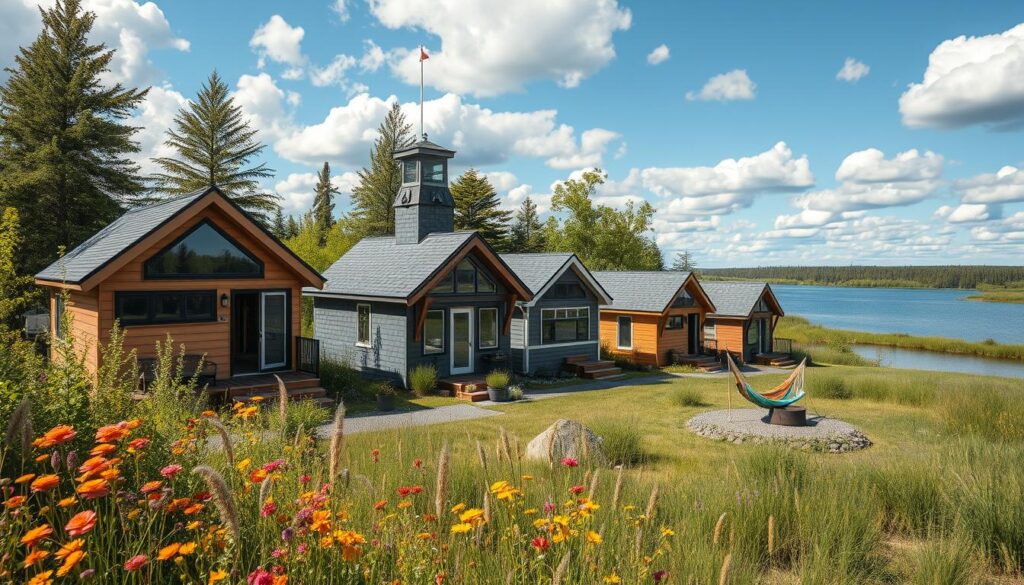
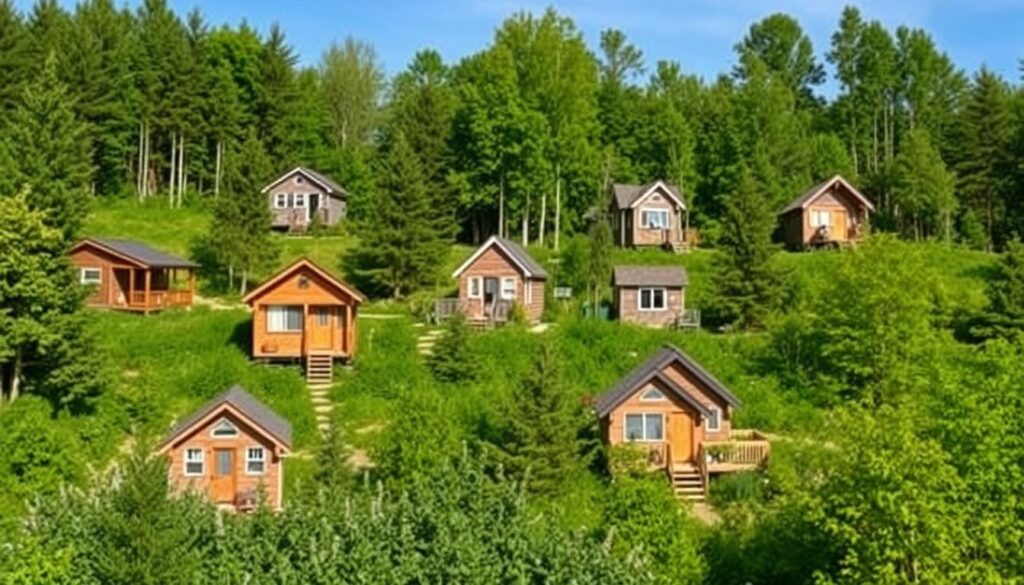
Sarah had always dreamed of living a simpler life, free from the confines of a traditional home. When she stumbled upon the concept of tiny houses, she knew it was the perfect solution. As she began researching the costs of building a tiny home in Canada, Sarah was pleasantly surprised to find that these compact dwellings were far more affordable than the average Canadian home.
According to the latest statistics, the cost of mid-range tiny homes in Canada typically falls between $150,000 and $190,000. However, the options are vast, with tiny home prices starting around $80,000 and reaching as high as $200,000 or more, depending on various factors. These factors include the construction method, home usage, size, heating and thermal retention methods, luxury items and appliances, builder fees, builder location, design plan, and regulatory standards.
While the initial cost may seem daunting, tiny homes are a significantly more affordable alternative to the average Canadian home, which cost an average of $698,530 in March 2024 according to the Canadian Real Estate Association. As Sarah delved deeper into her research, she discovered that low-cost Canadian tiny homes are priced between $80,000 and $150,000, while the mid-range cost falls between $150,000 and $200,000.
Key Takeaways
- The cost of mid-range tiny homes in Canada typically ranges from $150,000 to $190,000.
- Tiny home options in Canada start at around $80,000 and can reach up to $200,000 or higher.
- Factors that impact the cost of a Canadian tiny home include construction method, home usage, size, heating and thermal retention, luxury items and appliances, builder fees, location, design plan, and regulatory standards.
- Low-cost Canadian tiny homes are priced between $80,000 and $150,000.
- The mid-range cost for a Canadian tiny home is between $150,000 and $200,000.
Legal Considerations for Tiny Homes in Canada
When it comes to tiny house legality in Canada, the rules and regulations can vary significantly across different provinces and municipalities. While some areas have specific bylaws and zoning laws that address tiny homes, others may not have clear guidelines in place. It’s crucial for tiny home enthusiasts to research the local regulations in their desired location before making any purchase or construction decisions.
Provincial and Municipal Regulations
The legality of tiny homes in Canada largely depends on the province and municipality where they are situated. Some provinces, such as Quebec, have more restrictive regulations, prohibiting the construction of dwellings smaller than 320 square feet with one bedroom. In contrast, Ontario has a minimum area requirement of 188 square feet for legal tiny homes, which must also include designated spaces for living, sleeping, a bathroom, and a cooking area.
Beyond provincial guidelines, individual municipalities can further regulate tiny homes within their jurisdictions. For example, the town of Lantier, Quebec, has set a minimum surface area of 355 square feet for tiny houses, while the Dixville Habitation Durable program in Estrie offers subsidies for sustainable new construction, including mini-houses.
Zoning Laws and Building Codes
Zoning laws and building codes are also crucial considerations when it comes to the legality of tiny homes in Canada. Tiny houses on foundations are often treated the same as regular residential dwellings, requiring compliance with local building codes. However, tiny homes on wheels may be classified as recreational vehicles or trailers, subject to different regulations.
In some municipalities, tiny homes may be permitted as secondary suites or garden suites on residential properties, but these options often come with their own set of restrictions around size, setbacks, and other requirements. It’s essential for tiny home enthusiasts to familiarize themselves with the relevant zoning laws and building codes in their desired location to ensure compliance and avoid any legal complications.
Design and Construction Options
When it comes to building a tiny house in Canada, prospective homeowners have two main options: prefabricated or custom-built. Prefab tiny houses in Canada offer a more streamlined and cost-effective solution, as they are constructed off-site and then delivered to the desired location. On the other hand, custom tiny home builders in Canada provide the opportunity to fully customize the design and layout to suit individual preferences and needs.
Prefabricated vs. Custom-Built Tiny Homes
Prefabricated tiny homes, often referred to as “tiny home construction methods in Canada,” are a popular choice for those looking to minimize the time and hassle of the building process. These homes are constructed in a factory setting and then transported to the site, ready for setup. This approach can be more budget-friendly, with prices ranging from $64,000 to $195,000 CAD. Canadian tiny house manufacturers like Mint Tiny House Company, ARHOME by arcana, and the rumored Tesla tiny house offer prefab options tailored to the Canadian market.
For those seeking a more personalized touch, custom tiny home builders in Canada can create a unique design that reflects the homeowner’s vision. These custom-built homes allow for greater flexibility in terms of layout, materials, and features, but they often come with a higher price tag, typically ranging from $85,000 to $195,000 CAD. Respected Canadian builders like Teacup Tiny Homes, Rockbox Structures, LoftyPod, and Rewild Homes are known for their high-quality custom tiny home designs.
Regardless of the chosen approach, it is essential for tiny house enthusiasts in Canada to thoroughly research local regulations, building codes, and zoning laws to ensure a seamless construction process and compliance with all relevant requirements.
Financing and Insurance for Tiny Houses
Navigating the world of financing and insurance for tiny houses in Canada can be a unique challenge. Traditional lenders may not be familiar with the concept of tiny living, making it harder to secure financing. However, some credit unions and alternative lenders are starting to recognize the growing demand for tiny homes and are developing specialized financing options.
When it comes to insurance coverage, tiny houses can fall into a gray area. Tiny homes built on foundations may be covered under standard homeowner’s insurance policies, but those on wheels may require trailer or RV insurance. Regardless, the tiny house must meet specific safety and construction standards to be insured.
Financing Options for Tiny Homes in Canada
- Chattel mortgages, suitable for movable tiny homes, generally have lower interest rates.
- Personal loans for tiny houses can span from 6 months to 10 years terms.
- A line of credit provides continuous access to funds for a tiny house purchase.
- Homeowners can explore home equity loans or HELOCs for financing tiny homes, possibly offering lower interest rates and longer repayment terms.
Insurance Coverage for Tiny Homes in Canada
Insurance for tiny homes in Canada can vary widely, depending on factors such as construction type, size, value, personal belongings, usage, claims history, credit score, and desired coverage. Traditional home insurance companies may cover tiny homes built like traditional houses, while tiny homes on wheels may require specialized RV or mobile home insurance.
| Insurance Type | Coverage | Typical Cost |
|---|---|---|
| RV Insurance | Collision, comprehensive, liability, uninsured automobile, accident benefits, direct compensation | $20 to $200/year for registration |
| Mobile Home Insurance | Home, personal property, third-party liability | Varies widely |
“Insuring a tiny home as an RV is crucial for owners planning to move, as standard homeowner’s insurance does not cover mobile homes while in transit.”
Choosing the Right Location
As the tiny house movement continues to gain momentum across Canada, the challenge of finding the perfect location for these compact dwellings has become increasingly crucial. Whether you’re dreaming of an off-grid lifestyle or simply seeking a more sustainable way of living, the choice of where to place your tiny home can significantly impact your day-to-day experience.
Utility Access and Off-Grid Living
One of the primary considerations when selecting a tiny house location in Canada is access to essential utilities. While some tiny homeowners opt for a traditional serviced lot, others embrace the freedom of off-grid living, harnessing renewable energy sources like solar panels and relying on sustainable systems for water and waste management.
- Tiny homes typically consume only 7% of the electricity required to power an average-sized house, making off-grid living a viable and eco-friendly option.
- A tiny house can produce as little as 2,000 pounds of CO2 emissions annually, compared to the 28,000 pounds emitted by a regular home.
- Off-grid tiny homes often utilize composting toilets, greywater systems, and solar power to reduce their environmental impact and operational costs.
However, the availability of land and the local regulations governing tiny homes can present challenges when it comes to finding the perfect off-grid location. Researching where to place a tiny house in Canada and understanding the tiny house lot requirements in Canada are crucial steps in the journey towards sustainable living.
For those seeking a more traditional approach, accessing utilities like water, electricity, and sewage can also be a hurdle. Many municipalities are still grappling with the legalities of tiny homes, and zoning laws may not always accommodate these compact dwellings. Navigating the utilities for tiny homes in Canada can require persistence and creativity, but the rewards of living in a tiny house can be well worth the effort.
how much does a tiny house cost in canada
The cost of a tiny house in Canada can vary significantly, depending on various factors such as the size, design, construction method, and location. On average, the cost of a tiny house in Canada ranges from around $90,000 to $225,000 for a fully finished and customized home.
For those looking to save on costs, partially completed tiny house shells can be purchased starting at $40,000, plus additional expenses for finishing the interior and exterior. Many Canadian tiny house builders have been in the industry for nearly a decade, offering a range of customization options, from layout and appliances to heating sources and bathroom configurations.
| Tiny House Type | Average Cost Range |
|---|---|
| Tiny Houses on Wheels | $8,000 – $150,000+ |
| Shipping Container Homes | Around $65,000 |
| Micro Houses | $38,000 – $220,000 |
| High-Rise/Cube Tiny Homes | Around $90,000 |
For those who prefer a more affordable option, DIY tiny house kits in Canada can range from $4,000 to $10,000, with higher-end options exceeding $100,000. The average cost spent on a tiny house in Canada is approximately $45,000, making them a more accessible housing option for many Canadians.
“Tiny homes in Canada serve as a way to downsize, simplify life, save money on utilities, reduce upkeep and maintenance, and potentially eliminate mortgage debt.”
Compared to the average Canadian house price of $711,000 and an average home size of 1,792 square feet, tiny houses offer a compelling alternative for those seeking a more affordable and sustainable living solution. While the legality and zoning of tiny homes in Canada vary by location, their growing popularity reflects the desire for a simpler, more cost-effective, and environmentally-friendly lifestyle.
Tiny House Communities in Canada
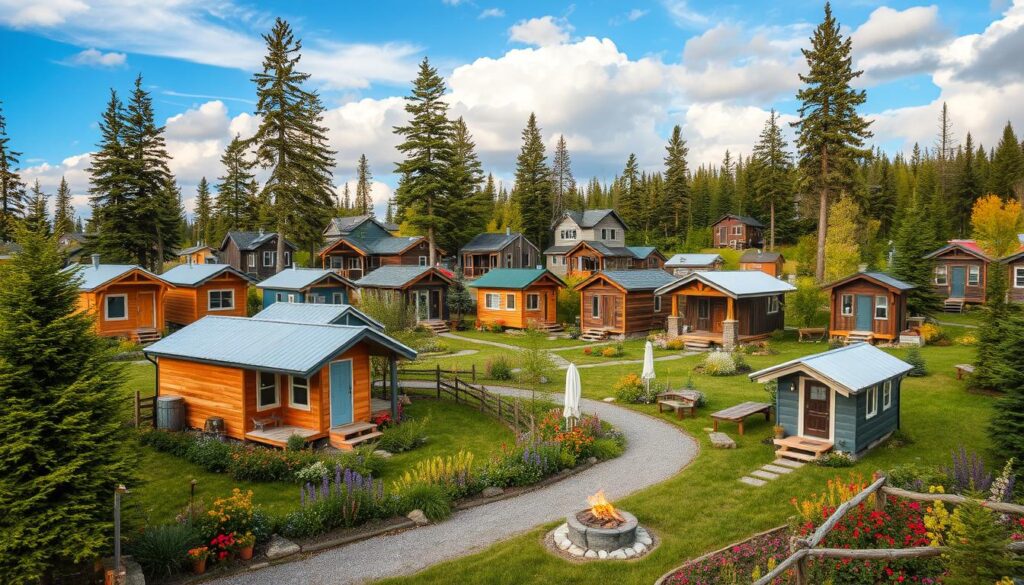
Across Canada, a growing number of tight-knit tiny house communities are emerging, offering affordable and sustainable living options. These vibrant neighborhoods showcase the versatility and appeal of the tiny house lifestyle, catering to diverse needs and preferences.
One standout example is the 12Neighbours tiny-home village in New Brunswick, which provides homes that rent for as low as $200 per month to formerly unhoused individuals. With 77 residents, this community offers access to essential amenities like a laundry room, medical services, and career training, all while generating renewable energy through solar panels.
Across the country, other tiny house communities are taking shape, such as Tiny Town in Toronto, Ontario, Carp Lake Cove near Ottawa, and the off-grid Arcadia Community near South River, Ontario. These tiny home communities in different canadian provinces showcase the growing appeal of tiny house villages in canada, where residents can enjoy a more affordable, sustainable, and close-knit way of living.
For those seeking a tiny house co-ops in canada, options like Espace Pur Tiny Houses in Sainte-Brigitte-de-Laval, Quebec, offer a collaborative approach to tiny home development and living. These off-grid tiny house developments in canada demonstrate the versatility and adaptability of the tiny house movement, catering to a wide range of needs and preferences.
“The tiny house movement is more than just a trend – it’s a lifestyle choice that is reshaping the way Canadians think about housing and community.”
As the popularity of tiny houses continues to grow, these vibrant communities are poised to play a significant role in addressing housing affordability and promoting sustainable living across different canadian provinces.
Lifestyle Adjustments for Tiny Living
Transitioning to a tiny house lifestyle in Canada can be a significant adjustment, especially for those accustomed to living in a larger, traditional home. Adjusting to tiny house living in Canada often requires embracing a more minimalist approach to possessions and daily routines.
Downsizing and Minimalism
One of the primary challenges of downsizing tips for tiny homes in Canada is letting go of items that no longer serve a purpose in a smaller living space. Minimalist lifestyle in a tiny house in Canada means carefully evaluating each belonging and determining what is truly essential. This process can be emotionally and physically demanding, as it often requires parting with sentimental or cherished items.
Bianca Metz, who has lived in a 240 sq.ft. tiny house in Southern Ontario with her husband and 6-year-old son for almost six years, explains that the challenges of tiny living in Canada can be significant. “Many people are motivated to downsize based on finances, but it requires discipline and commitment to a mindful and minimal lifestyle,” she says. “In North American culture, a bigger home is often seen as a reward for working hard and a sign of success, so letting go of that mindset can be a real challenge.”
Bianca emphasizes that clients who reach out to her at the beginning of their downsizing journey have an easier trajectory compared to those who contact her after making prior commitments. Understanding the importance of downsizing tips for tiny homes in Canada and embracing a minimalist lifestyle in a tiny house in Canada can help make the transition to tiny living more manageable.
Tiny House Plans and Resources
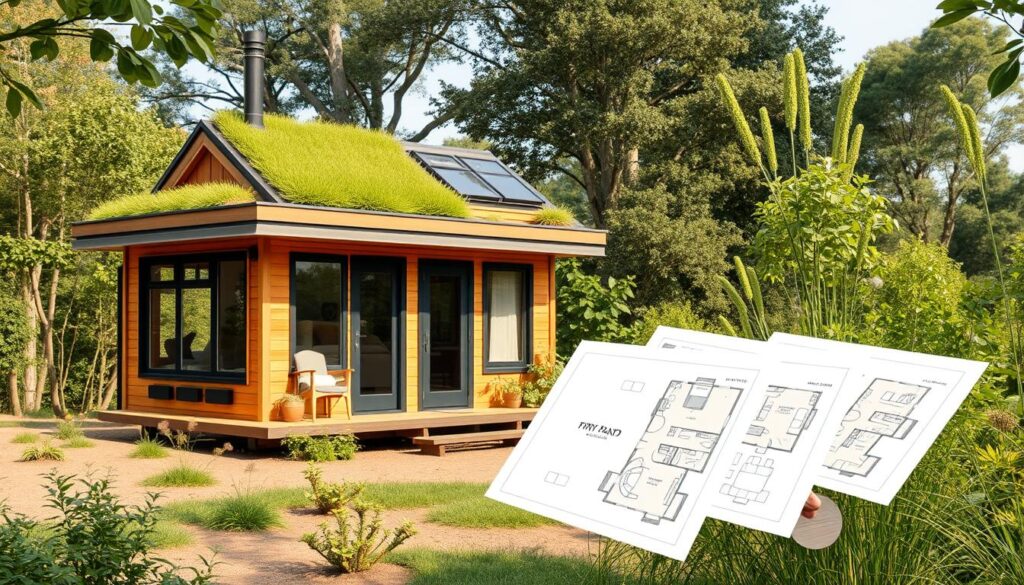
For Canadians interested in tiny house living, exploring a variety of tiny house plans can be a great starting point. There are numerous websites that offer a wide range of tiny home designs, some requiring a fee and others providing free access. From prefabricated options to custom-built tiny homes, these online resources can help you find the perfect plan to suit your lifestyle and budget.
Some of the best websites to find tiny house plans in Canada include:
- Teacup Tiny Homes
- Rockbox Structures
- LoftyPod
- Rewild Homes
- DROP Structures
- Candlewood Homes
- True North Tiny Homes
- Tiny House Construction Company
- NOMAD Micro Homes
- Sunshine Tiny Homes
These websites offer a variety of tiny house plans, ranging from compact studios to larger one- or two-bedroom designs. Some even provide customization options to help you create a tiny home tailored to your specific needs and preferences. Whether you’re looking for where to find tiny house plans in canada, free tiny home designs for canadians, or the best websites for tiny house blueprints in canada, these resources can be invaluable in your tiny house planning journey.
| Tiny House Plan | Square Footage | Bedrooms | Bathrooms |
|---|---|---|---|
| Teacup Tiny Home | 420 sq ft | 1 | 1 |
| Lofty Tiny Home | 624 sq ft | 2 | 1 |
| Nomad Micro Home | 936 sq ft | 2 | 1 |
| Sunshine Tiny Home | 1,207 sq ft | 3 | 2 |
Exploring these tiny house planning resources for canadians can help you find the perfect tiny home design to suit your needs and budget, whether you’re looking to downsize, live off-grid, or embrace a more sustainable lifestyle.
Environmental Benefits of Tiny Homes
As the demand for more sustainable and cost-effective living solutions grows in Canada, tiny homes have emerged as an attractive option for those seeking to reduce their environmental impact. These compact dwellings offer a range of eco-friendly benefits that make them a compelling choice for Canadians looking to live more sustainably.
One of the primary advantages of tiny homes is their smaller carbon footprint. Typically ranging between 100 and 400 square feet, these compact structures consume significantly less energy than the average Canadian home, which is around 6,400 square feet. Tiny home residents often enjoy energy savings of up to 50% compared to traditional homes, thanks to the use of energy-efficient appliances, insulation, and renewable energy sources like solar panels.
Beyond energy efficiency, tiny homes also promote a more minimalist lifestyle, encouraging residents to be thoughtful about their consumption and possessions. This reduced need for materials and resources ultimately translates into a smaller environmental impact over the lifespan of the home. Studies have shown that tiny homes can reduce per-person carbon emissions by up to 70% compared to a traditional home.
Furthermore, the compact design of tiny homes often allows for the incorporation of sustainable features, such as composting toilets, greywater systems, and passive heating and cooling strategies. These innovative solutions help to minimize waste, conserve water, and reduce the overall environmental footprint of the dwelling.
For Canadians seeking to live a more sustainable lifestyle, tiny homes offer a unique and compelling solution. By reducing energy consumption, waste, and resource usage, these compact dwellings provide an opportunity to significantly lower one’s environmental impact while enjoying a simpler, more cost-effective way of living.
Conclusion
The tiny house movement is gaining momentum in Canada, offering a promising solution to the country’s housing affordability challenges. While the cost of a tiny home in Canada can range from around $80,000 to $200,000 or more, depending on factors like construction method and luxury features, the overall savings compared to traditional homes make it an attractive option for many Canadians.
The legal landscape surrounding tiny homes, however, remains complex, with varying provincial and municipal regulations that can present obstacles for prospective tiny house owners. Navigating the zoning laws and building codes requires careful research and may involve working with supportive organizations and communities that are helping drive the tiny house movement forward in Canada.
Despite these challenges, the environmental benefits and lifestyle adjustments associated with tiny living continue to appeal to a growing number of Canadians seeking more affordable and sustainable housing options. As more municipalities revise their regulations to accommodate tiny homes, the outlook for this movement in Canada remains positive, offering a glimmer of hope for those struggling with the country’s soaring real estate.