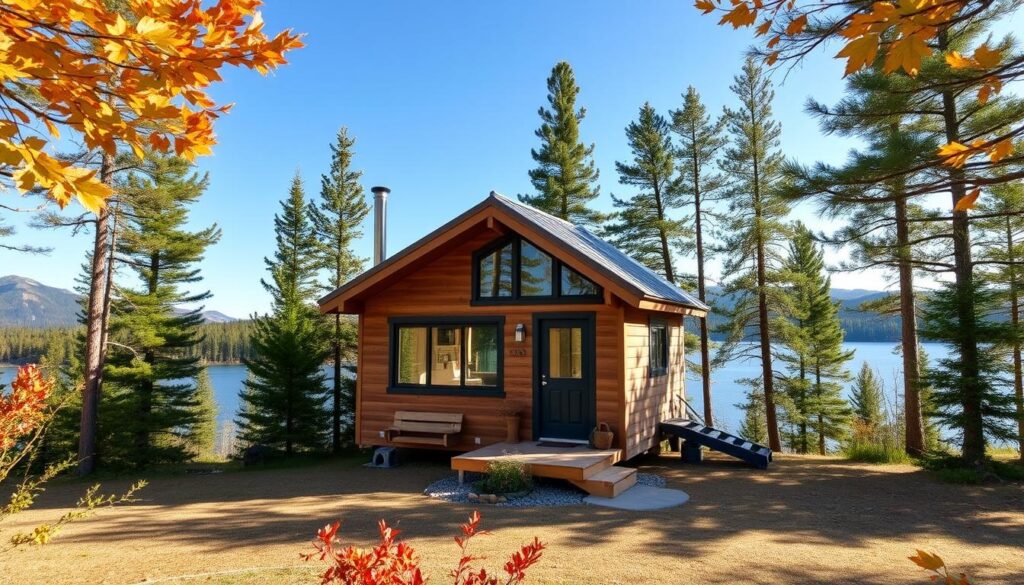
In a quaint town just outside Winnipeg, Caitlin and her husband, Michael, stumbled upon a unique opportunity that would forever change their lives. As they scrolled through listings of tiny homes for sale in Manitoba, an unassuming yet charming 400-square-foot abode caught their eye. “It was love at first sight,” Caitlin recalls, “the idea of downsizing and living a more minimalist lifestyle really appealed to us.”
Tiny homes are becoming an increasingly popular housing option in Manitoba, offering a compact, affordable, and eco-friendly lifestyle. Whether you’re looking for a prefab or custom-built tiny home, this article will explore the diverse range of tiny homes available for sale in Manitoba, their key features, and the benefits of downsizing to a tiny home. We’ll also cover the legal and zoning considerations, design tips, and the experiences of tiny home owners in the province.
Key Takeaways
- Tiny homes in Manitoba offer a compact, affordable, and sustainable living option.
- Tiny home buyers can choose from prefab or custom-built models, each with unique features and benefits.
- Navigating the legal and zoning requirements for tiny homes in Manitoba is crucial for prospective owners.
- Designing a functional and visually appealing tiny home requires careful space planning and smart interior design.
- Off-grid living in a tiny home can be achieved through the use of renewable energy and innovative water management systems.
What are Tiny Homes?
Tiny homes are small, compact dwellings that typically range from 100 to 400 square feet in size. These innovative living spaces are designed to provide all the essential living areas – a kitchen, bathroom, sleeping quarters, and living room – within a minimal footprint. Tiny homes often feature creative space-saving solutions, such as loft bedrooms, multi-functional furniture, and efficient storage systems, to maximize the available square footage.
Definition and Key Features
A tiny home is defined as a dwelling that is significantly smaller than a traditional single-family home, with a focus on efficient design and minimal living. Some of the key features of tiny homes include:
- Small footprint, usually between 100-400 square feet
- Compact, multi-functional layout
- Loft-style sleeping areas
- Integrated storage solutions
- Energy-efficient appliances and systems
- Emphasis on sustainability and eco-friendly materials
Benefits of Downsizing to a Tiny Home
Choosing to downsize to a tiny home can offer numerous advantages, both financially and personally. Some of the key benefits of tiny home living include:
- Reduced living costs: Tiny homes are generally more affordable to heat, cool, and maintain, freeing up funds for other priorities.
- Smaller environmental footprint: Tiny homes require fewer resources and produce less waste, making them a more sustainable housing option.
- Simpler, more intentional lifestyle: Tiny home living encourages minimalism and decluttering, leading to a greater focus on experiences over material possessions.
Ultimately, tiny homes provide an opportunity for individuals and families to downsize and adopt a more intentional, cost-effective, and environmentally-conscious way of living.
Types of Tiny Homes Available in Manitoba
Manitoba residents have access to a diverse range of tiny home options, each offering unique advantages. From factory-built prefab and modular units to custom-designed bespoke homes, the province’s tiny home market caters to a variety of lifestyle preferences and budgets.
Prefab and Modular Tiny Homes
Prefab tiny homes in Manitoba are an attractive choice for those seeking a streamlined and cost-effective construction process. These factory-built units are delivered to the site, ready for immediate setup and occupancy. Modular tiny homes, on the other hand, are constructed in sections off-site and then assembled on the property, providing homeowners with more customization options.
Custom-Built Tiny Homes
For those who desire a more personalized approach, custom-built tiny homes in Manitoba offer unparalleled flexibility. These homes are designed and constructed from the ground up, allowing homeowners to incorporate their unique preferences, design aesthetics, and special features. While custom tiny homes may come with a higher price tag, the benefits of a truly bespoke living space are often worth the investment.
According to our research, the price range of tiny homes in Manitoba can vary significantly, from as low as $16,495 for a micro-cabin to as high as $85,000 for a 24-foot-long, high-end model. The average price of a tiny home in the province is around $44,719, making it a more accessible housing option compared to the average house price of $744,150 in Manitoba.
When it comes to tiny home living in Manitoba, homeowners have the opportunity to explore a wide range of options, from prefab and modular units to custom-built bespoke homes. Each choice offers its own unique benefits, allowing individuals to find the perfect tiny home that aligns with their lifestyle, budget, and design preferences.
tiny homes manitoba for sale
Manitoba is home to a variety of reputable tiny home builders and retailers that offer a wide range of options for those interested in compact living. From basic prefab units to more luxurious custom-built designs, these companies cater to a diverse array of budgets and preferences.
Popular Tiny Home Builders and Retailers
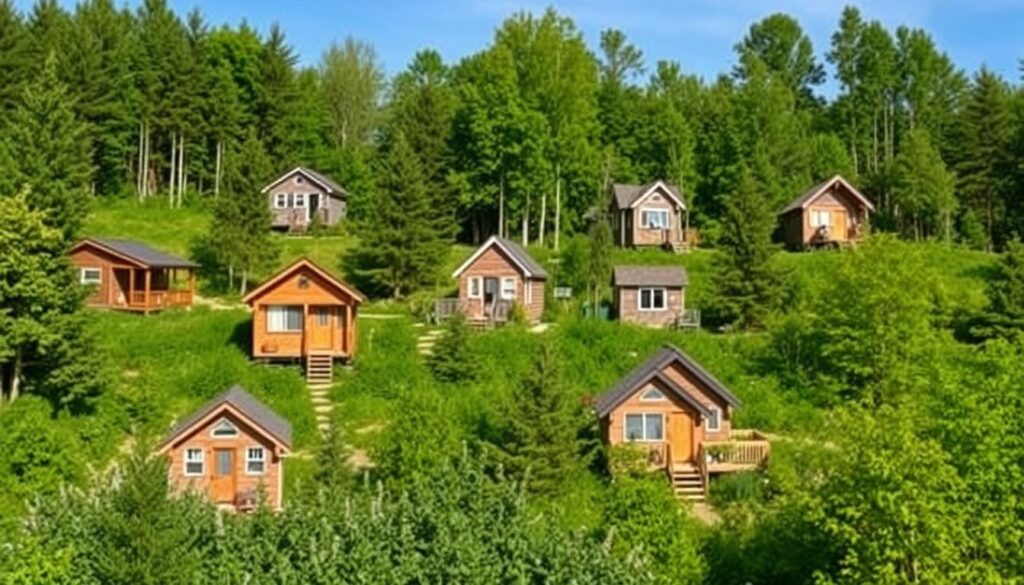
Some of the notable tiny home builders and retailers in Manitoba include Countryview, Zak’s Simple Homes, and Premier Portable Buildings. These companies showcase a variety of tiny home models, allowing prospective buyers to find the perfect fit for their lifestyle and needs.
Price Range and Financing Options
The cost of tiny homes in Manitoba can vary significantly, ranging from as low as $89,900 for a basic prefab model to upwards of $280,000 for a custom-built, larger tiny home. Financing options for these compact dwellings include chattel mortgages, similar to auto loans, as well as personal loans and lines of credit.
| Tiny Home Listing | Price | Location |
|---|---|---|
| Micro Cabin/Tiny House | $16,495.00 | Lake Manitoba First Nation |
| VX Intelligent Tiny Home | $1,000.00 | Winnipeg |
| Tiny Home | $85,000.00 | Winkler |
Regardless of the price point, Manitoba’s tiny home market offers a variety of options for those seeking to downsize and embrace a more compact, sustainable lifestyle.
Zoning and Legal Considerations
Navigating the legal landscape for tiny homes in Manitoba can be a complex endeavor. As the province’s zoning regulations and building codes vary across different municipalities, it’s crucial for prospective tiny home owners to thoroughly understand the specific requirements in their local area.
Most tiny homes in Manitoba must meet traditional residential building codes, regardless of whether they’re constructed on a foundation or on wheels. Those on wheels may even be classified as recreational vehicles or mobile homes, potentially subject to additional regulations. To ensure compliance, homeowners must diligently research the zoning and legal requirements in their particular municipality.
Local Regulations and Building Codes
While some municipalities in Manitoba have implemented specific provisions for tiny homes, others may not have such accommodations in place. In areas where tiny homes are not explicitly addressed, homeowners may face challenges in obtaining the necessary permits and approvals to construct or place their compact dwellings.
In the municipality of Bifrost-Riverton, for example, the draft zoning bylaw requires tiny homes to be built in clusters, with a minimum site area of two acres and a maximum of 10 tiny homes per acre. These homes must be between 300 and 550 square feet, with specific requirements for water and waste systems, parking, landscaping, and aesthetic features.
Navigating the legal intricacies of tiny home living in Manitoba requires careful planning and a thorough understanding of the local regulations. Homeowners should consult with municipal authorities, specialized builders, and community organizations to ensure their tiny home project aligns with the applicable zoning laws and building codes.
| Regulation | Bifrost-Riverton Requirements |
|---|---|
| Tiny Home Cluster Size | Minimum 2 acres |
| Tiny Home Density | Maximum 10 per acre |
| Tiny Home Size | 300 to 550 square feet |
| Permitted Zones | GD, RM, RCR, REC (with conditional use approval) |
| Prohibited Locations | Agricultural land |
By understanding the local tiny home zoning manitoba, legal requirements for tiny homes in manitoba, and building codes for tiny homes in manitoba, homeowners can navigate the regulatory landscape and make informed decisions about their tiny home journey in the province.
Designing Your Tiny Home
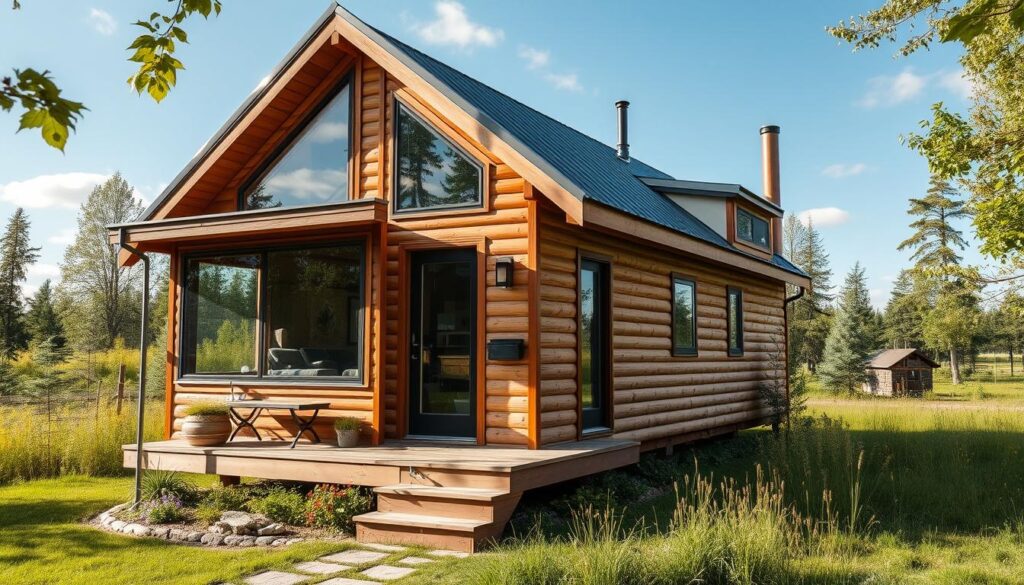
Creating the perfect tiny home in Manitoba requires a thoughtful approach to maximize the available space and craft a functional, comfortable living environment. From incorporating innovative space-saving solutions to making strategic interior design choices, the key is to think creatively and prioritize functionality.
Space-Saving Solutions and Interior Design Tips
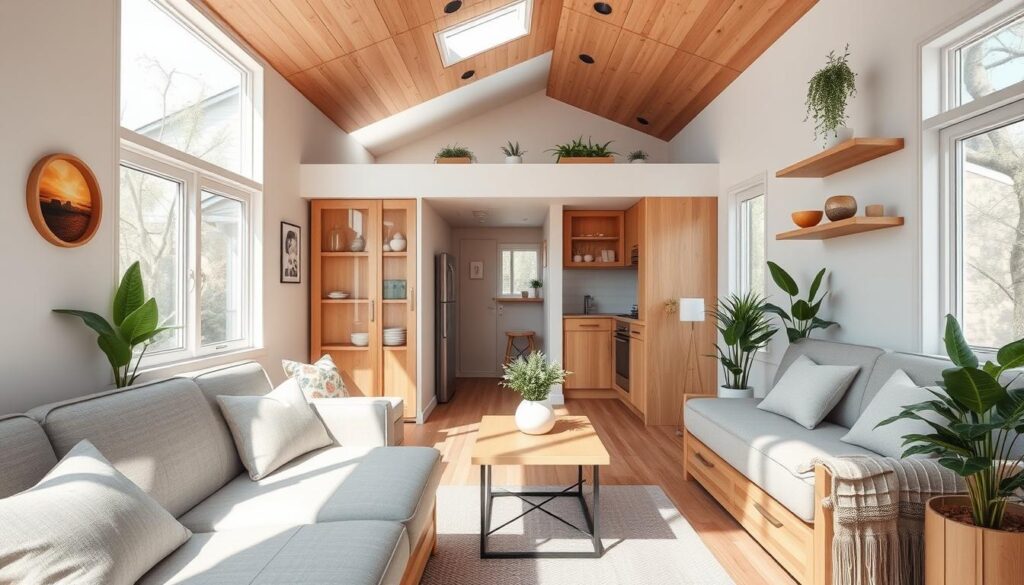
Tiny home design in Manitoba often revolves around finding clever ways to optimize every square inch. Space-saving ideas for tiny homes can include loft bedrooms, multi-purpose furniture, and efficient storage systems that keep essentials organized and within reach.
When it comes to interior design tips for tiny homes in Manitoba, the focus should be on creating the illusion of a more spacious and open atmosphere. This can be achieved through the strategic use of light colors, natural materials, and thoughtful lighting placements. Maximizing natural light and incorporating reflective surfaces can also help enhance the sense of airiness.
| Space-Saving Solutions | Interior Design Tips |
|---|---|
|
|
By striking a balance between practical space-saving ideas for tiny homes and visually appealing interior design tips for tiny homes in Manitoba, homeowners can create a harmonious and inviting living space that feels both functional and welcoming.
Off-Grid Living in a Tiny Home
Tiny homes in Manitoba offer the opportunity to embrace off-grid living, reducing reliance on traditional utility systems. This can be achieved through the integration of solar power systems, which provide renewable energy, as well as alternative water and waste management solutions, such as composting toilets and greywater systems. These sustainable features allow tiny home owners to live more self-sufficiently and minimize their environmental impact.
Solar Power and Alternative Energy Sources
One of the key advantages of living in a tiny home in Manitoba is the ability to harness solar power as a primary energy source. Solar panels can be installed on the roof or integrated into the home’s design, converting the abundant sunshine into clean, renewable electricity. This not only reduces the need for grid-supplied power but also lowers the monthly utility costs for tiny home residents.
In addition to solar power, tiny home owners in Manitoba can explore other alternative energy sources, such as wind turbines or even micro-hydroelectric systems, depending on the location and available resources. These innovative solutions allow tiny home dwellers to achieve a high degree of energy independence and minimize their carbon footprint.
Water and Waste Management Systems
Tiny homes in Manitoba must also address the challenges of water and waste management, as they may not be connected to municipal services. Homeowners can install water storage tanks, filtration systems, and composting toilets to meet their needs. These specialized systems help tiny home residents live more independently and reduce their reliance on traditional infrastructure.
Greywater systems, which recycle used water from sinks, showers, and washing machines, can also be integrated into tiny home designs. This water can then be used for landscape irrigation or other non-potable purposes, further reducing the demand on freshwater resources.
| Sustainable Features of Tiny Homes in Manitoba | Benefits |
|---|---|
| Solar power systems | Renewable energy, reduced utility costs |
| Composting toilets | Reduced water usage, sustainable waste management |
| Greywater systems | Recycled water for non-potable uses, water conservation |
| Alternative energy sources (wind, micro-hydro) | Energy independence, reduced carbon footprint |
By embracing these off-grid living solutions, tiny home residents in Manitoba can enjoy a more self-sufficient and environmentally-conscious lifestyle, all while reaping the benefits of compact and efficient living.
Tiny Home Communities in Manitoba
Manitoba is home to several tiny home communities that offer a supportive and like-minded environment for tiny home enthusiasts. These communities, such as the Astum Api Niikinaahk village, provide designated lots or pads where tiny homes can be placed, along with shared amenities and a strong sense of community.
The Astum Api Niikinaahk village, for instance, has 22 bachelor-style units, with four being accessible for individuals using wheelchairs or walkers. This tiny home community, aiming to address homelessness, took two years to develop and opened to residents last month. The operational costs for the village range between $800,000 to $900,000 annually, with funding for construction received from the federal government’s rapid housing initiative in 2020.
Living in a tiny home community can simplify the logistical and legal challenges often associated with tiny home living. These communities offer a unique opportunity for tiny home owners in Manitoba to connect with others who have chosen a minimalist lifestyle, share resources, and create a supportive network.
| Tiny Home Community | Location | Focus | Key Features |
|---|---|---|---|
| Astum Api Niikinaahk | Winnipeg | Homelessness | 22 bachelor-style units, 4 accessible for wheelchair/walker users, medical, cultural, addiction, and mental health services |
| Myriad Village | Brandon | Sustainable Living | Communal gardens, shared workshops, renewable energy systems, community events |
| Clearwater Cove | Lac du Bonnet | Retirement/Downsizing | Lakefront lots, private docks, community clubhouse, recreational amenities |
These tiny home communities in Manitoba offer a unique and supportive living experience for those seeking to embrace a minimalist lifestyle and be part of a like-minded community. Whether you’re looking to downsize, live off-grid, or address housing challenges, these villages provide a compelling option for tiny home living in Manitoba.
Downsizing and Minimalist Living
For those considering a tiny home lifestyle in Manitoba, embracing a minimalist approach to living often goes hand-in-hand. This involves decluttering, streamlining possessions, and focusing on experiences over material goods. By simplifying their lives, tiny home owners can enjoy greater financial freedom, reduced stress, and a greater appreciation for the essentials.
Decluttering and Simplifying Your Lifestyle
Downsizing to a tiny home in Manitoba encourages a minimalist mindset. Decluttering and simplifying one’s lifestyle can provide a sense of freedom and clarity. Some key tips for decluttering a tiny home include:
- Assess each possession and determine its value and necessity
- Donate, recycle, or sell items that no longer serve a purpose
- Implement storage solutions to maximize available space
- Prioritize multifunctional and compact furniture and appliances
By embracing a minimalist approach to living, tiny home owners in Manitoba can experience the joys of minimalist living, focusing on the essentials and finding contentment in a smaller, more intentional space.
| Benefits of Minimalist Living | Tips for Decluttering a Tiny Home |
|---|---|
|
|
“Minimalism is the intentional promotion of the things we most value and the removal of everything that distracts us from it.” – Joshua Becker
By embracing a minimalist lifestyle in their tiny home, Manitoba residents can enjoy the freedom and simplicity that comes with downsizing and decluttering. This approach can lead to a more fulfilling and intentional life, focused on the essentials and experiences that truly matter.
Tiny Home Living Experiences
Manitoba’s tiny home community is filled with inspiring stories of individuals and families who have embraced the tiny home lifestyle. These homeowners share their experiences of adjusting to the compact living space, finding creative storage solutions, and enjoying the financial and environmental benefits of tiny home living. These testimonials provide valuable insights for those considering a tiny home in Manitoba.
Testimonials and Success Stories
“Moving into our tiny home has been a life-changing experience. We now have the freedom to live more intentionally and focus on what truly matters. The design and construction quality of our home from Teacup Tiny Homes have exceeded our expectations.” – Sarah and Ethan, Winnipeg
Teacup Tiny Homes, a leading tiny home provider in Canada, has been offering tiny home living experiences for nearly a decade. Their Tiny Houses installed on foundations start from the $120,000s, and they also offer Tiny House RVs starting in the same price range for mobile living options.
Teacup Tiny Homes emphasize building strong relationships with their clients and providing post-purchase care. They are known for constructing homes suitable for Manitoba’s cold weather climate and educating clients on the build process and maintenance through their Teacup Academy.
“We were impressed by the Teacup Tiny Homes team’s professionalism and design expertise. Their project management system allowed us to stay informed on the progress of our custom-built tiny home every step of the way.” – Michael and Samantha, Brandon
In addition to individual success stories, Winnipeg has recently announced a combined $7.3 million in funding for 22 new supportive tiny homes, including 18 bachelor-style units and four fully accessible units. This initiative, supported by the National Housing Co-Investment Fund and Reaching Home: Canada’s Homelessness Strategy, aims to reduce chronic homelessness in the city.
These inspiring tales of tiny home living in Manitoba showcase the benefits of downsizing, simplifying, and finding innovative solutions to housing challenges. Whether it’s a custom-built home or a supportive tiny home community, the tiny home movement continues to gain momentum and transform lives in the province.
Conclusion
Tiny homes in Manitoba offer a compelling and increasingly popular housing alternative, providing a compact, affordable, and sustainable living experience for those seeking to simplify their lifestyles. Whether you’re drawn to the convenience of a prefabricated tiny home or the personalization of a custom-built design, the province’s diverse range of tiny home options can cater to a variety of budgets and preferences.
As the tiny home movement continues to gain momentum in Manitoba, the province’s evolving regulatory landscape is working to accommodate this innovative housing trend. From financial assistance programs to zoning regulations, the local authorities are taking steps to promote smart development, increase affordable housing options, and support those who wish to embrace a tiny home lifestyle.
With inspiring success stories, such as the Winnipeg Kinsmen Veterans Village project, the potential of tiny homes to provide stable and dignified living conditions for vulnerable populations is becoming increasingly evident. As more Manitobans explore the benefits of downsizing and minimalist living, the future of tiny homes in the province looks bright, offering a unique and sustainable housing solution for years to come.