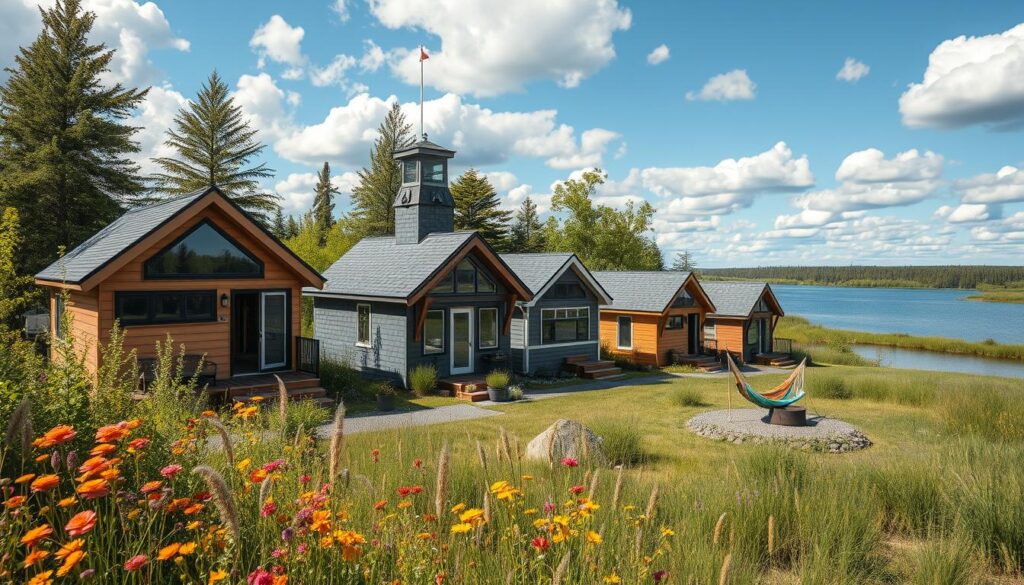
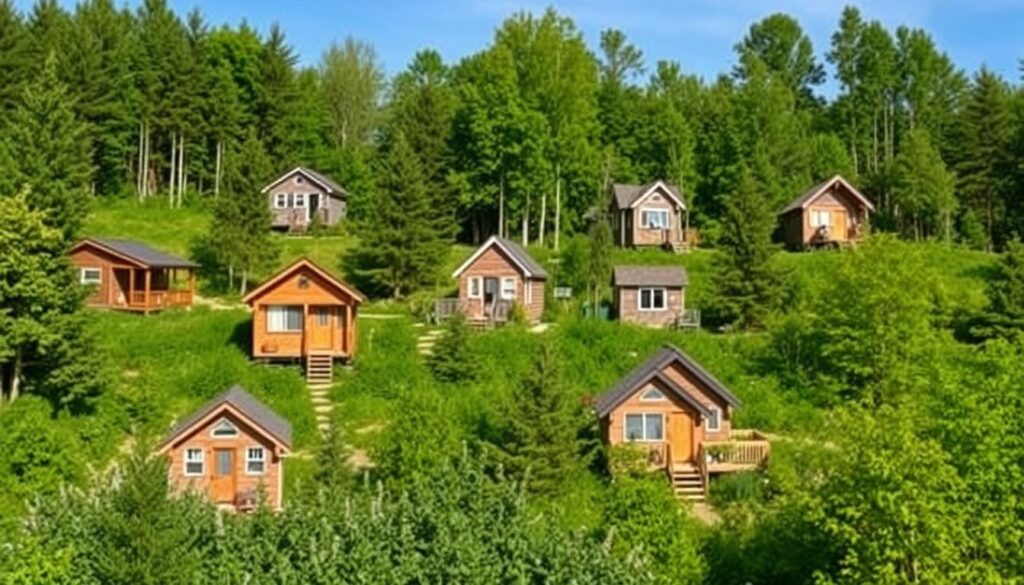
As the housing market in Ontario continues to soar, more and more people are seeking alternative living solutions, including the increasingly popular tiny home movement. But are tiny homes legal in Ontario? In this article, we’ll dive deep into the regulatory landscape and uncover the facts about tiny home living in the province.
Jane and her husband, Tom, had been frustrated with the high cost of traditional housing in their hometown of Toronto. They had always dreamed of a simpler life, and the idea of downsizing to a tiny home appealed to them. After months of research and planning, they decided to take the plunge and build their very own 400-square-foot tiny home on a plot of land they had inherited. However, as they began the construction process, they found themselves navigating a maze of regulations and zoning laws, leaving them unsure of the legality of their tiny home venture.
Key Takeaways
- Tiny homes in Ontario must adhere to the Ontario Building Code, including requirements such as minimum square footage and fire safety measures.
- Most Ontario municipalities do not have specific minimum size requirements for tiny homes, allowing for more flexibility in building.
- Ontario encourages the construction of supplementary dwelling units, including tiny homes, to address housing availability and density.
- Consulting with a professional is advised to ensure compliance with legal requirements and safety standards for tiny home construction.
- Tiny homes can be a cost-effective and eco-friendly housing solution, but navigating the regulations is crucial.
As Jane and Tom’s story illustrates, the legality of tiny homes in Ontario is a complex and nuanced topic. In the following sections, we’ll explore the specifics of what constitutes a tiny home, the different types of tiny homes, the legal requirements, and the zoning and permitting considerations to help you understand the landscape of tiny home living in Ontario.
What Constitutes a Tiny Home in Ontario?
Defining a tiny home can be a nuanced task, but most experts agree that a tiny home is a dwelling smaller than approximately 450 square feet. In Ontario, the specific legal requirements for tiny homes are outlined in the Ontario Building Code and municipal zoning regulations.
Defining Tiny Homes
According to the Ontario Building Code, a tiny home must be at least 188 square feet in size, and include a living/sleeping area, a bathroom, and a cooking area. Tiny homes in Ontario must be built to the same safety and quality standards as any other residential dwelling.
Legal Requirements for Tiny Homes in Ontario
- Tiny homes must comply with Ontario’s Building Code, municipal zoning, and other local by-laws, as well as have necessary servicing such as water and sewage.
- Building a tiny home may require obtaining necessary building permits and securing required building inspections during construction.
- Municipalities in Ontario may have specific size requirements for tiny homes, with some requiring them to be 400 square feet or less.
- Property owners may need to seek a “zoning by-law amendment” or “minor variance” if their tiny home project does not meet all applicable zoning requirements.
To ensure a smooth and compliant tiny home project in Ontario, it’s recommended to work with professionals such as Building Code designers, planners, architects, and engineers.
| Requirement | Details |
|---|---|
| Minimum Size | 17.5 m2 (188 ft2) |
| Maximum Size | 37 m2 (400 ft2) |
| Necessary Inclusions | Living/sleeping area, bathroom, cooking area |
| Building Permits | Required to ensure compliance with Ontario Building Code and municipal zoning |
| Recommended Professionals | Building Code designers, planners, architects, engineers |
The Four Types of Tiny Homes
In Ontario, the world of tiny homes encompasses a diverse array of living options. From compact abodes on foundations to mobile dwellings on wheels, the types of tiny homes available cater to a wide range of preferences and needs. Let’s explore the four main categories of tiny homes that are shaping the housing landscape in the province.
Tiny Homes on Foundations as Primary Dwellings
These tiny homes are constructed on permanent foundations, meeting the Ontario Building Code requirements to serve as a primary residence. Often ranging between 188 to 450 square feet, these tiny homes provide a cozy and efficient living experience while adhering to local zoning and permitting regulations.
Tiny Homes on Foundations as Secondary Dwellings
Increasingly popular, tiny homes on foundations can also serve as secondary dwellings on properties, known as “secondary dwelling units.” The Ontario government actively encourages the construction of these accessory structures to boost housing supply and density, offering a flexible living option for homeowners.
Tiny Homes on Wheels
Offering a more mobile lifestyle, tiny homes on wheels present unique challenges when it comes to zoning and permitting. These self-contained units, often built on trailer frames, provide the freedom to relocate, though they may face greater regulatory hurdles in finding suitable locations to park.
Tiny Homes on Leased Land
Another innovative approach to tiny living in Ontario involves leasing land, either from private landowners or through specialized tiny home communities. This model allows individuals to experience the benefits of tiny home living without the burden of land ownership, offering a more accessible path to sustainable living.
Regardless of the type, tiny homes in Ontario are redefining the way we think about housing, balancing affordability, efficiency, and environmental consciousness. As the demand for these compact dwellings continues to grow, the landscape of residential options in the province continues to evolve.
| Type of Tiny Home | Key Characteristics | Regulatory Considerations |
|---|---|---|
| Tiny Homes on Foundations as Primary Dwellings | – Constructed on permanent foundations – Meet Ontario Building Code requirements – Typically 188 to 450 sq.ft. in size |
– Adhere to local zoning and permitting regulations – Considered primary residences |
| Tiny Homes on Foundations as Secondary Dwellings | – Built on properties as accessory structures – Commonly known as “secondary dwelling units” – Encouraged by the Ontario government to boost housing supply and density |
– Subject to local zoning and permitting rules for secondary dwellings – Offer a flexible living option for homeowners |
| Tiny Homes on Wheels | – Self-contained units built on trailer frames – Provide the freedom to relocate |
– Face greater regulatory hurdles in finding suitable parking locations – Considered mobile homes or trailers by municipalities |
| Tiny Homes on Leased Land | – Individuals lease land from private owners or in tiny home communities – Offers an alternative to land ownership |
– Regulations vary based on the terms of the land lease agreement – Allows for more accessible tiny home living |
Legalities of Tiny Homes on Wheels in Ontario
Tiny homes on wheels, often called THOWs, have gained popularity for their mobility and flexibility. However, even these compact dwellings must still comply with Ontario’s Building Code, municipal zoning, and local by-laws. Navigating the approval and building process can be complex, but some tiny home builders are taking steps to help their clients by certifying their tiny homes for safety.
Building Codes and Regulations
In Ontario, tiny homes on wheels are subject to the same building codes and regulations as any other type of residential structure. This means they must adhere to standards for Ontario tiny home building codes, including requirements related to electrical, plumbing, and structural integrity. Failing to comply with these codes can result in legal issues and prevent the tiny home from being considered a legal dwelling.
Certifying Tiny Homes for Safety
To help navigate the approval process, some tiny home builders in Ontario are taking the extra step of certifying their tiny homes for tiny home safety. This involves having the tiny home inspected and approved by a recognized certification body, such as the Canadian Standards Association (CSA) or the Recreational Vehicle Industry Association (RVIA). This certification helps demonstrate that the tiny home meets important safety standards, which can make it easier to obtain the necessary permits and approvals from local authorities.
“Certification can be a game-changer for tiny home owners in Ontario, providing an added layer of assurance and helping to streamline the approval process.”
While the legalities surrounding tiny homes on wheels legalities in Ontario may seem complex, the growing popularity of these compact dwellings has prompted some builders to take proactive steps to help their clients navigate the system. By understanding the building codes and regulations, as well as the benefits of tiny home safety certifications, tiny home enthusiasts in Ontario can work towards legally owning and living in their dream tiny home.
Zoning and Permitting for Tiny Homes in Ontario
As the tiny home movement gains traction across Canada, navigating the zoning and permitting landscape in Ontario can be a complex task. Tiny homes must comply with local regulations, which can vary significantly between urban/suburban and rural/remote areas. However, municipalities are increasingly revising their by-laws to be more accommodating of these compact dwellings.
Urban and Suburban Areas
In Ontario’s urban and suburban regions, tiny homes are typically required to meet the minimum size requirements set by the Building Code, which is 188 square feet for a separate dwelling that can be used year-round. Apart from this, most municipalities do not have additional minimum square footage requirements for residential buildings. Additionally, many cities now allow for the construction of secondary residential units, such as tiny homes, on lots with existing houses without the need for rezoning, as part of efforts to increase affordable housing options.
In these developed areas, tiny homes are generally expected to be connected to municipal services like water, sewer, and electricity. Owners must obtain the necessary permits and approvals from local authorities before proceeding with their tiny home projects.
Rural and Remote Areas
The regulations governing tiny homes in rural and remote areas of Ontario tend to be more flexible. For example, the City of Greater Sudbury permits tiny homes on wheels in its rural zones, even though they may not be allowed within the city limits. In many rural areas, a suitability study is often required to ensure there is sufficient well water and a viable septic system to support the tiny home.
While Ontario has been moving towards making tiny homes a legal and encouraged housing option, challenges remain, particularly in finding suitable locations for tiny homes built to the Ontario Building Code standards. Discussions about tiny homes are becoming more common in planning committees across the province, and the tiny home movement is expected to gain further momentum in the years to come.
| Tiny Home Zoning and Permitting in Ontario | Urban and Suburban Areas | Rural and Remote Areas |
|---|---|---|
| Minimum Size Requirements | 188 sq ft for separate dwellings | More flexible regulations |
| Connection to Municipal Services | Required (water, sewer, electricity) | Suitability study for well water and septic |
| Permit and Approval Process | Necessary permits and approvals from local authorities | Permits and approvals may be more accommodating |
| Trend in Regulations | Municipalities revising by-laws to be more tiny home-friendly | Discussions about tiny homes becoming more common in planning committees |
The tiny home movement in Ontario is a young and evolving trend, with the potential to provide more affordable and sustainable housing options. As municipalities continue to adapt their regulations to accommodate these compact dwellings, the path for aspiring tiny home owners in the province is becoming clearer, albeit with some remaining challenges to navigate.
Tiny House Communities in Ontario
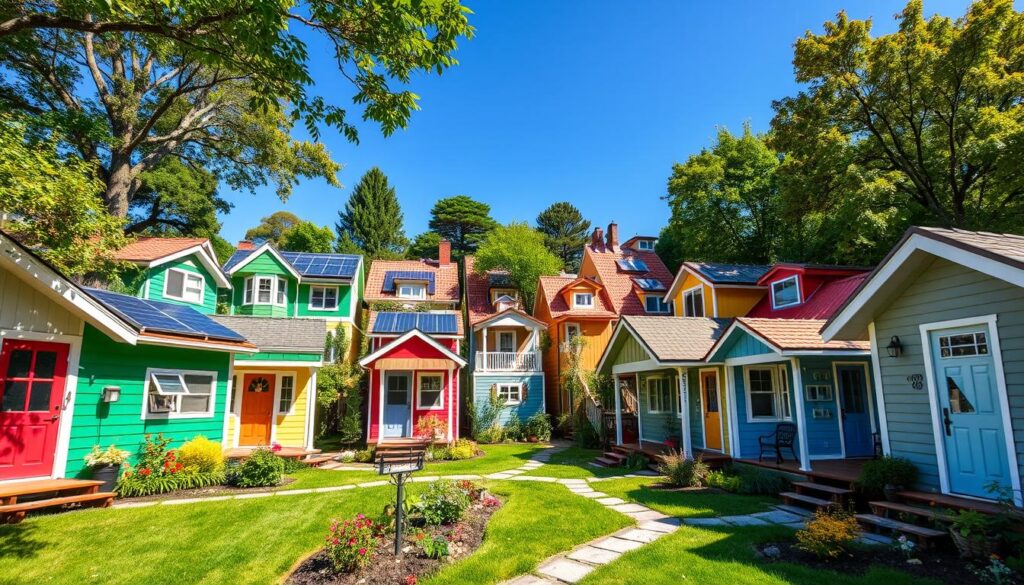
As the tiny home movement continues to gain momentum in Ontario, some towns and cities are proactively embracing this lifestyle by revising their zoning laws and creating tiny home-friendly communities. These communities provide an opportunity for tiny home owners to live legally and be part of a supportive tiny home lifestyle.
Spur, Texas: A Tiny House-Friendly Town
One inspiring example of a tiny house-friendly town is Spur, Texas. In 2014, the town council of Spur made a bold move by declaring itself the “first tiny house-friendly town in America.” By amending their zoning laws, Spur welcomed tiny home owners and encouraged the development of tiny home communities. This decision has attracted a growing number of tiny home enthusiasts to the region, fostering a thriving tiny home ecosystem.
Rockledge, Florida: Tiny House Pocket Neighborhoods
Another progressive community is Rockledge, Florida, where tiny house pocket neighborhoods are taking shape. These neighborhoods are designed to accommodate tiny homes, providing shared amenities and a sense of community. Rockledge’s zoning regulations have been updated to allow for the construction of tiny homes, making it an attractive destination for those seeking a tiny home lifestyle in Ontario.
While Spur, Texas and Rockledge, Florida serve as inspiring examples, the journey to creating tiny home communities in Ontario is still ongoing. Tiny home friendly towns in the province are actively working to revise their zoning laws and embrace the tiny home pocket neighborhoods concept, offering a promising future for those drawn to the tiny home lifestyle.
Tiny Homes as Affordable Housing Solutions
As the affordable housing crisis continues to impact communities across Canada, tiny homes are emerging as a promising solution. Tiny homes, with their compact design and lower construction costs, offer an alternative to traditional housing that can provide accessible and budget-friendly living options, especially for the homeless and low-income individuals.
Tiny House Communities for the Homeless
Nonprofit organizations like Panza in Olympia, Washington and Mobile Loaves & Fishes in Austin, Texas are leading the charge in building tiny home communities to address homelessness. These innovative projects provide not just shelter, but a sense of community and support for those in need, empowering residents to regain their independence and stability.
Rent-to-Own Tiny Homes in Detroit
In Detroit, a unique rent-to-own tiny home program is giving residents a path to homeownership. By offering affordable monthly payments and the opportunity to eventually own their tiny home, this initiative is helping low-income individuals and families achieve the dream of home ownership, one tiny step at a time.
As cities and communities across Canada explore ways to tackle the affordable housing crisis, the potential of tiny homes as a viable solution is gaining traction. From providing shelter for the homeless to offering a pathway to homeownership, these compact and cost-effective dwellings are proving to be a game-changer in the quest for more inclusive and accessible housing options.
“Tiny homes have the potential to transform the way we think about affordable housing, giving individuals and families a chance to put down roots and build a better future.”
| Tiny Home Community | Location | Focus | Number of Homes |
|---|---|---|---|
| Panza | Olympia, Washington | Affordable Housing for the Homeless | 30 |
| Mobile Loaves & Fishes | Austin, Texas | Affordable Housing for the Homeless | 51 |
| Rent-to-Own Tiny Homes | Detroit, Michigan | Pathway to Homeownership | 25 |
are tiny homes illegal
Contrary to common misconceptions, tiny homes are not outright illegal in Ontario. As long as they meet the necessary building code requirements and have the proper permits, tiny homes can be a legal and viable housing option. The legality of tiny homes ultimately comes down to proper zoning, permitting, and compliance with local regulations.
In Ontario, the provincial building code sets a minimum size of 188 square feet for a single-family dwelling. Tiny homes must adhere to these size regulations and also fulfill specific room requirements to be considered legal. Additionally, obtaining a building permit from the local municipality is a crucial step in ensuring the tiny home’s legality.
While the legalities surrounding tiny homes can vary across different regions in Ontario, the general principle remains the same: tiny homes are permitted as long as they are properly constructed and authorized through the appropriate channels. By understanding and complying with the relevant regulations, tiny home enthusiasts can navigate the legal landscape and make their alternative living arrangements a reality.
| Tiny Home Legality in Ontario | Key Considerations |
|---|---|
| Minimum Size | 188 square feet for a single-family dwelling |
| Building Permit Requirement | Mandatory to obtain from local municipality |
| Compliance with Building Codes | Tiny homes must adhere to Ontario Building Code regulations |
| Zoning Regulations | Vary across different regions in Ontario |
By understanding and navigating the legal requirements, tiny home enthusiasts in Ontario can make their alternative living arrangements a reality while ensuring compliance with local regulations.
Tiny Home Myths Debunked
Misconceptions abound when it comes to tiny home living in Ontario. Many believe it’s entirely illegal, that it’s a major sacrifice, or that tiny homes lack privacy. However, the reality is quite different – tiny homes can be a legal, sustainable, and fulfilling lifestyle choice in many parts of the province.
Myth 1: It’s Illegal to Live in a Tiny Home in Ontario
While there are certain regulations and building codes that tiny home owners must comply with, they are not outright banned in Ontario. In fact, some municipalities, like Guelph and Kitchener, have begun exploring ways to accommodate tiny homes and make them a viable housing option.
Myth 2: Tiny Home Living in Ontario Is a Sacrifice
Contrary to popular belief, living in a tiny home doesn’t have to be a major sacrifice. Many tiny home owners report enjoying the benefits of a more sustainable, cost-effective, and minimalist lifestyle. With thoughtful design and clever storage solutions, tiny homes can provide all the comforts of a traditional home in a much smaller footprint.
Myth 3: Tiny Houses Lack Privacy
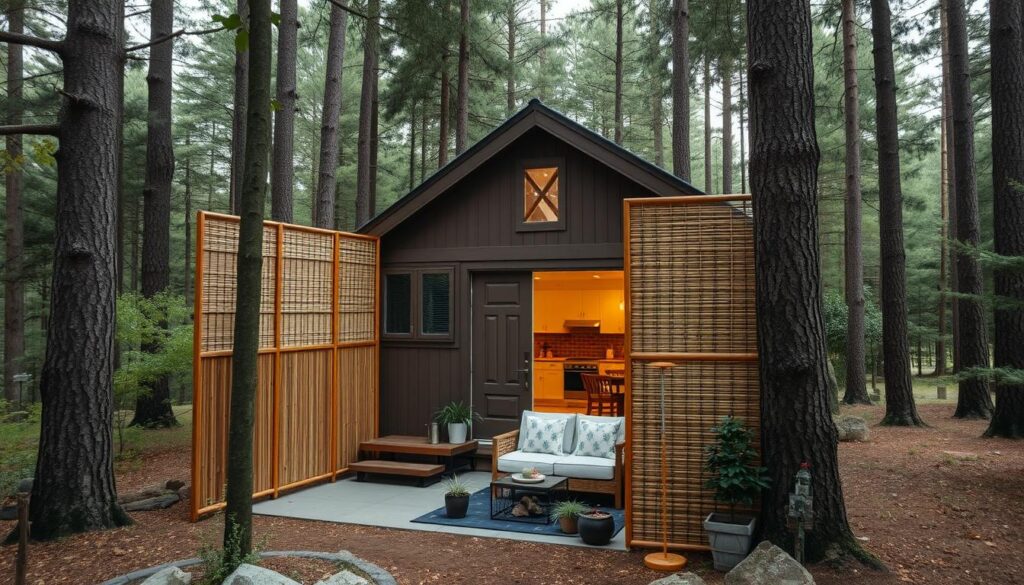
While privacy can be a concern in a smaller living space, tiny home owners have found ways to create cozy, secluded retreats. By strategically placing lofts, separate sleeping areas, and even sliding walls, tiny homes can offer just as much privacy as their larger counterparts.
The reality is that tiny home living in Ontario is a viable and growing trend, with more and more people embracing the benefits of a simpler, more sustainable lifestyle. By debunking these common myths, we can encourage more Ontarians to explore the possibilities of tiny home living.
“Tiny houses are not a fad, they’re a fundamental rethinking of the way we live.”
Conclusion
The tiny home movement in Ontario is gaining traction, offering a more affordable, sustainable, and minimalist housing option for those seeking an alternative to traditional homeownership. While navigating the legal requirements and zoning considerations can be challenging, there are examples of tiny home-friendly communities and initiatives that demonstrate the feasibility of this lifestyle.
From understanding the definition and types of tiny homes to exploring the legalities surrounding their construction and placement, this article has provided a comprehensive overview of the tiny home landscape in Ontario. By dispelling common myths and highlighting the potential benefits, such as affordability and environmental sustainability, it is clear that tiny home living can be a viable choice for many Ontarians.
As the demand for affordable housing continues to rise, the tiny home movement may provide a unique solution that aligns with the needs of individuals and communities. By embracing innovative approaches to housing and fostering supportive policies, Ontario can pave the way for a future where tiny home living becomes a more accessible and accepted option for those seeking a more intentional and fulfilling way of life.