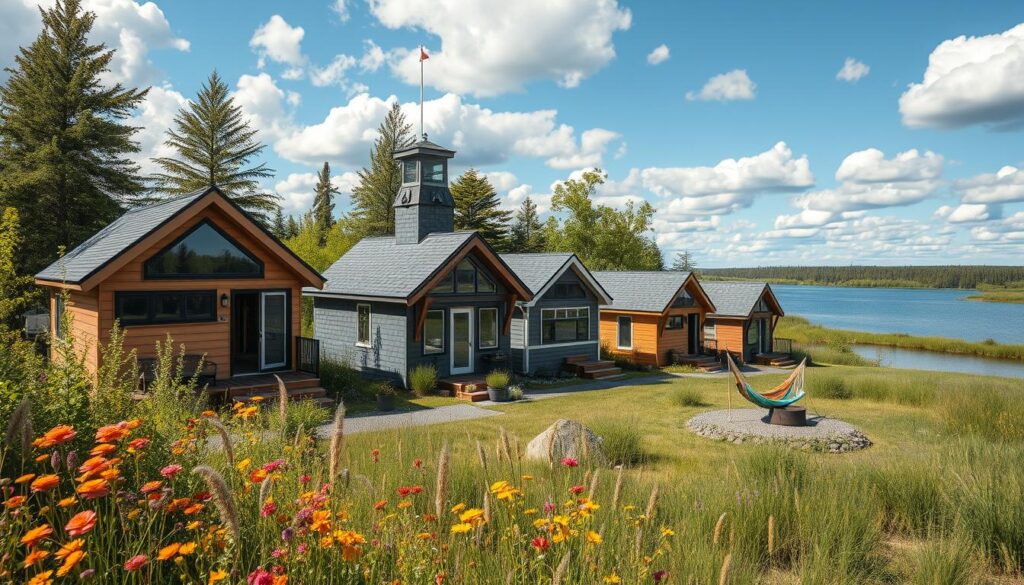
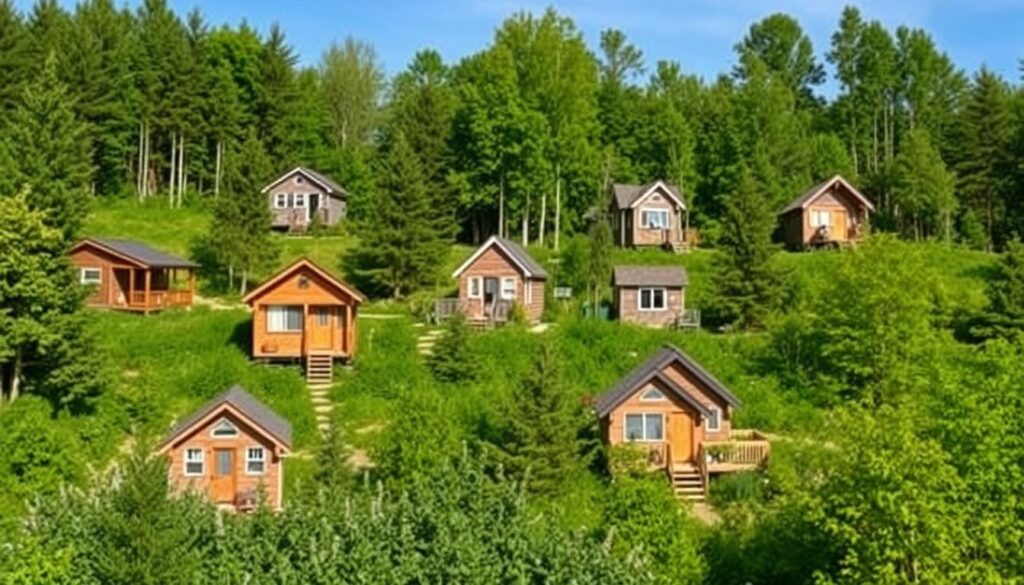
Imagine a world where your home is a sanctuary of simplicity and efficiency, where every square foot is meticulously designed to optimize your living experience. Welcome to the realm of tiny homes in Manitoba, where innovative couples like Anita Munn and Darrell Manuliak are revolutionizing the way we think about compact living.
In a province known for its vast landscapes and rugged resilience, these trailblazers are bringing the tiny house movement to the forefront, offering affordable and eco-friendly housing solutions that blend comfort and minimalism. Step into the world of these diminutive dwellings, where every inch is crafted to maximize space and energy efficiency, creating a lifestyle that celebrates the beauty of less.
Key Takeaways
- Discover the allure of tiny homes in Manitoba, where compact living spaces under 250 square feet are redefining comfort and efficiency.
- Explore the energy-efficient and minimalist designs that are transforming the way we think about housing in the province.
- Learn about the inspiring mission of couples like Anita Munn and Darrell Manuliak, who are leading the charge in bringing the tiny house movement to Manitoba.
- Uncover the cost-effective and environmentally friendly advantages of owning a tiny home in Manitoba.
- Discover the growing trend of tiny living and its potential to address affordable housing challenges in the province.
What Are Tiny Homes in Manitoba?
In the heart of Canada’s Prairie provinces, tiny homes are gaining popularity as a unique and sustainable living option. These compact dwellings, typically under 250 square feet, are designed to maximize living space while prioritizing energy efficiency and minimalist design. Tiny home enthusiasts in Manitoba are embracing the opportunity to downsize and live a more intentional lifestyle.
Compact Living Spaces Under 250 Square Feet
Tiny homes in Manitoba are meticulously crafted to make the most of every square foot. These petite abodes often feature innovative layouts, loft bedrooms, and multi-functional furniture to create a comfortable and efficient living environment. Despite their small size, they are designed to feel spacious and inviting, offering a refreshing alternative to traditional housing options.
Energy-Efficient and Minimalist Designs
Sustainability is a key priority in the design of tiny homes in Manitoba. These dwellings boast energy-efficient features, such as radiant floor heating, spray foam insulation, and strategic window placement, to minimize the environmental impact and reduce utility costs. The minimalist aesthetic of tiny homes also aligns with the growing trend of mindful living, where residents prioritize experiences over material possessions.
| Feature | Benefit |
|---|---|
| Radiant Floor Heating | Efficient and even heat distribution |
| Spray Foam Insulation | Improved energy efficiency and reduced heating/cooling costs |
| Loft Bedrooms | Maximizes living space and creates a cozy sleeping area |
“Tiny homes in Manitoba offer a unique opportunity to embrace a more sustainable and intentional lifestyle. By focusing on energy efficiency and minimalist design, these compact dwellings provide an attractive alternative to traditional housing options.”
The Rise of Mini Homes of Manitoba
The mini home movement in Manitoba has gained significant momentum, thanks to the efforts of Anita Munn and Darrell Manuliak, the founders of Mini Homes of Manitoba. This couple has made it their mission to bring the tiny house craze to the province, offering custom-built mini homes for minimalists seeking a more sustainable and affordable lifestyle.
A Couple’s Mission to Bring Tiny Living to the Province
Anita and Darrell’s journey with mini homes began when they recognized the growing demand for compact and economical living solutions in Manitoba. Driven by their passion for minimalism and environmental consciousness, they established Mini Homes of Manitoba to provide residents with the opportunity to downsize and embrace a more intentional way of life.
Custom-Built Homes for Minimalists
The tiny home builders in Manitoba have already sold several of their custom-designed mini homes, catering to a diverse range of clients. From young professionals seeking an affordable first home to retirees looking to simplify their lifestyle, Mini Homes of Manitoba’s offerings have resonated with a wide audience seeking mini homes in Manitoba.
The company’s commitment to personalized design and attention to detail has set them apart in the local market, as they work closely with each client to bring their vision of tiny living to life. As the popularity of mini homes continues to grow in the province, Anita and Darrell remain at the forefront of this emerging trend, showcasing the benefits of a more minimalist and sustainable way of life.
Tiny Homes in Manitoba: A Detailed Look
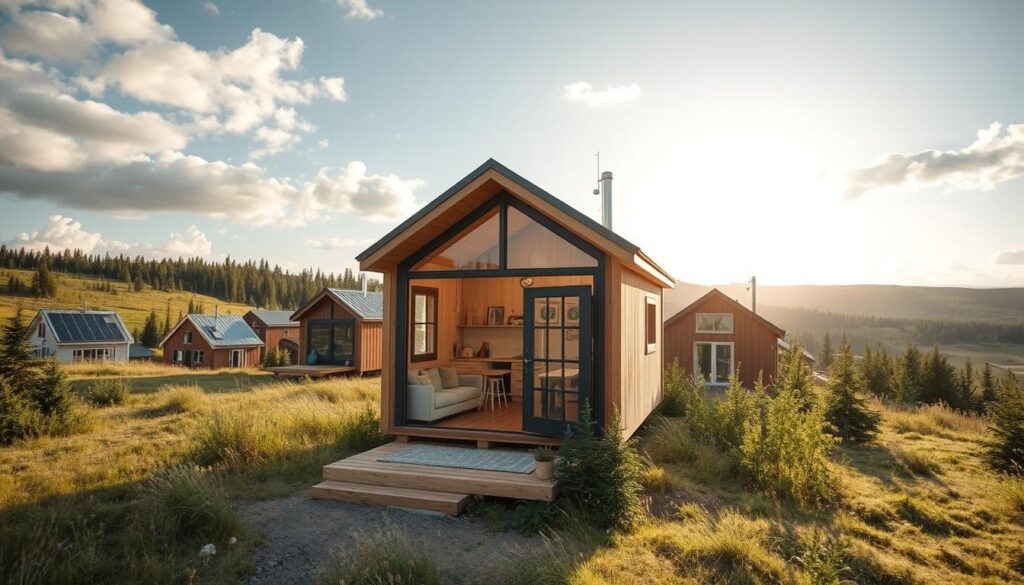
The tiny homes showcased by Mini Homes of Manitoba offer a captivating glimpse into the potential of compact living. One such model, measuring a compact 242 square feet, stands out with its thoughtful design and innovative features. This tiny home boasts radiant floor heating, spray foam insulation, and two cozy loft bedrooms, expanding the total living space to an impressive 342 square feet.
Radiant Floor Heating and Ample Living Space
The 242-square-foot model from Mini Homes of Manitoba proves that small doesn’t have to mean cramped. With its radiant floor heating system, this tiny home maintains a comfortable and energy-efficient climate throughout the year. The efficient use of space is evident, as the home seamlessly accommodates a kitchen, bathroom, and living area, all within its compact footprint.
Loft Bedrooms for Maximum Utility
A standout feature of this tiny home design is the inclusion of two loft bedrooms, elevating the living space and optimizing the overall square footage. These cozy retreats, accessible via a ladder or stairs, add a unique and versatile element to the home, allowing residents to make the most of the limited floor area.
By carefully balancing functionality and aesthetics, Mini Homes of Manitoba has created a tiny home that truly embodies the essence of maximizing space and minimizing environmental impact. This model showcases the potential of tiny home design manitoba, highlighting how innovative tiny home features can translate into comfortable and practical tiny home living space.
The Cost of Owning a Tiny Home in Manitoba
For those interested in embracing the tiny home lifestyle in Manitoba, the cost can range from an affordable $45,000 to a more premium $68,000. These custom-built homes, often under 400 square feet, offer a cost-effective and sustainable housing solution in the province.
The price range reflects the versatility of tiny home designs, catering to the diverse needs and budgets of homebuyers. From basic models starting at $45,000 to more luxurious options with additional features like radiant floor heating and loft bedrooms, the cost of owning a tiny home in Manitoba remains significantly lower than the average price of a traditional home in Canada, which reached $698,530 in March 2024.
Financing a tiny home in Manitoba may present some unique challenges, as the traditional mortgage process is not always a straightforward option. However, specialized lenders are starting to offer innovative financing solutions tailored to the tiny home market, making the dream of owning a compact, energy-efficient residence more accessible to first-time buyers and downsizers alike.
When considering the cost of a tiny home in Manitoba, it’s essential to factor in the location, zoning regulations, utility access, and land availability, as these factors can significantly impact the overall investment. Additionally, the cost of insurance and the potential for off-grid living should be taken into account, as they can further influence the overall financial considerations.
Despite the unique financial considerations, the long-term benefits of tiny home living, such as reduced living expenses and a smaller environmental footprint, make it an attractive option for those seeking a more sustainable and cost-effective lifestyle in Manitoba.
Advantages of Tiny Homes in Manitoba
Tiny homes in Manitoba offer a wealth of advantages, making them an increasingly popular choice for those seeking an affordable and sustainable living experience. These compact dwellings not only provide a cost-effective solution but also contribute to a more environmentally friendly lifestyle.
Economical and Environmentally Friendly
One of the primary benefits of tiny homes in Manitoba is their affordability. With a lower price tag compared to traditional homes, these mini-abodes are an attractive option for first-time buyers and those looking to downsize. Additionally, the energy-efficient features and minimalist designs of tiny homes in Manitoba translate to reduced utility costs and a smaller carbon footprint, making them a sustainable choice for eco-conscious individuals and families.
Ideal for First-Time Buyers and Downsizers
Tiny homes in Manitoba present an excellent opportunity for those looking to take their first step onto the property ladder. The affordability of these compact homes makes them accessible to a wider range of buyers, allowing individuals and couples to break into the housing market with a manageable financial commitment. Additionally, tiny homes appeal to those seeking to downsize their living space, providing a comfortable and efficient living solution without the burden of maintaining a larger home.
| Advantages of Tiny Homes in Manitoba | Benefits |
|---|---|
| Economical | Lower price tag and reduced utility costs |
| Environmentally Friendly | Energy-efficient features and minimalist designs |
| Ideal for First-Time Buyers | Accessible and manageable financial commitment |
| Suitable for Downsizers | Comfortable and efficient living solution |
“Tiny homes in Manitoba provide an exceptional opportunity for individuals and families to embrace a more sustainable and economical living experience.”
Tiny Homes in Manitoba: A Growing Trend
The tiny home movement in Manitoba is gaining momentum, with more and more people recognizing the benefits of compact and sustainable living. As the cost of living and housing prices continue to rise, the appeal of tiny homes as an affordable and eco-friendly alternative has led to a growing tiny home trend in the province.
Couples like Anita Munn and Darrell Manuliak, who have already sold several custom-built tiny homes, are at the forefront of this movement, helping to bring the tiny house lifestyle to Manitoba. According to recent statistics, in 2019, RV dealers in Manitoba started noticing Millennials and Gen Xers were buying RVs in greater numbers, possibly due to unaffordable cottage prices. This trend suggests a growing interest in alternative living solutions, such as tiny homes, among younger generations in the province.
The popularity of tiny homes in Manitoba is also driven by the availability of financing options. Minimum down payments for RVs typically run between 10% and 20%, with some companies offering “no money down” options to qualified applicants. Additionally, Scotiabank offers RV borrowers up to 20 years to pay off their loans, making tiny home ownership more accessible.
“The tiny home movement in Manitoba is gaining momentum, with more and more people recognizing the benefits of compact and sustainable living.”
As the demand for tiny homes continues to grow, the province is also witnessing initiatives that promote eco-friendly and energy-efficient living. For instance, Desjardins offers a savings initiative providing up to $2,000 cashback to build a green home certified to specific energy efficiency standards. This, combined with the popularity of the Canada Greener Homes Grant, suggests that tiny homes in Manitoba are becoming an increasingly attractive option for those seeking a more sustainable and cost-effective lifestyle.
Designing Tiny Homes for the Homeless
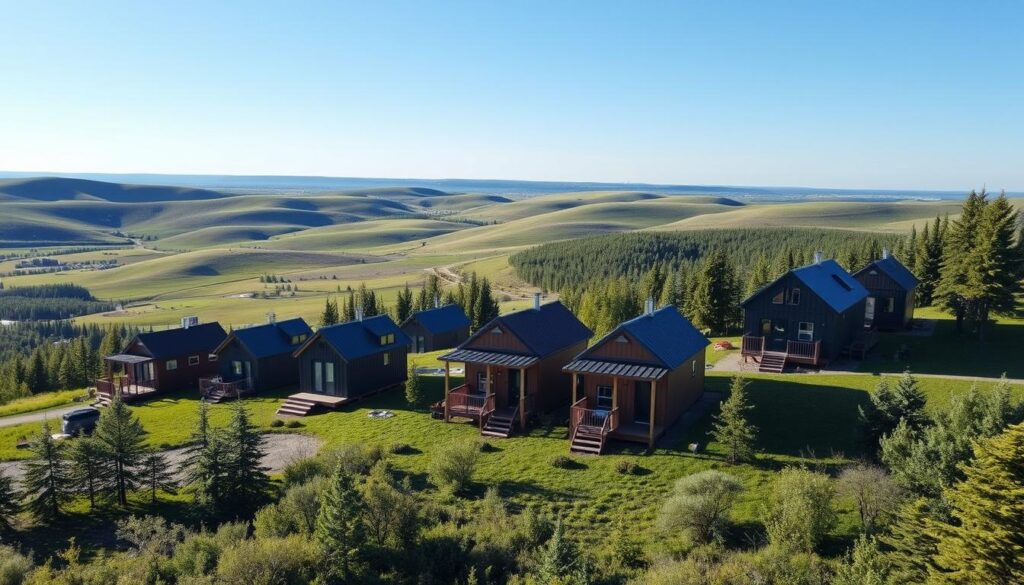
As the demand for tiny homes continues to grow in Manitoba, an innovative initiative is underway to design these compact living spaces specifically for the province’s homeless population. The Village Project, led by the Ma Mawi Wi Chi Itata Centre and other Indigenous organizations, aims to provide 22 tiny homes built from repurposed shipping containers to offer safe and secure housing for those experiencing homelessness.
The Village Project: Shipping Container Homes
This Indigenous-led initiative is focused on creating a communal living environment that respects the needs and cultural practices of those facing homelessness. The $7.3 million project will feature 22 bachelor-style units, including 4 fully accessible units, along with on-site support services such as a cultural mentor, nurse practitioners, and other cultural healing resources.
Indigenous-Led Initiative for Safe and Secure Housing
With the majority of Winnipeg’s homeless population being Indigenous Manitobans, the Village Project is a crucial step in addressing the systemic housing barriers faced by this community. The communal housing development, made from shipping containers, will offer residents a sense of community and access to the resources they require to regain their footing. This innovative model could inspire similar initiatives across Canada to provide tiny homes for homeless manitoba, shipping container homes manitoba, and indigenous housing manitoba.
“The Village Project plans to offer 22 units near Thunderbird House in Manitoba for homeless individuals. Approximately 80% of Winnipeg’s homeless population are Indigenous Manitobans.”
The Future of Tiny Living in Manitoba
As the tiny home movement continues to gain traction in Manitoba, the future of this compact and sustainable living solution looks promising. Innovative companies like Mini Homes of Manitoba are leading the way, offering custom-built tiny homes that provide affordable housing options and promote minimalist and eco-friendly lifestyles. With a growing interest in downsizing, cost-effective living, and environmental consciousness, the future of tiny living in Manitoba is likely to focus on further developing innovative solutions for affordable housing and prioritizing minimalism and sustainability as key drivers of this trend.
Innovative Solutions for Affordable Housing
The tiny home trend in Manitoba is not just about aesthetics and lifestyle; it’s also a response to the pressing need for affordable housing solutions. Municipalities like Reston, Manitoba have taken innovative approaches, such as offering housing lots for $10 with a requirement to build a house within a year, as well as grants for individuals moving into the community and new businesses establishing themselves in the area. These initiatives have been successful in attracting new residents and creating employment opportunities, showcasing the potential of tiny homes to address the province’s housing challenges.
Minimalism and Sustainability in Focus
The appeal of tiny homes in Manitoba extends beyond just affordability; the emphasis on minimalism and sustainability is also a driving force. Tiny homes are inherently more environmentally friendly, with their compact designs and energy-efficient features, aligning with the growing desire for sustainable living among Manitobans. As the trend continues to evolve, we can expect to see even greater integration of renewable energy, water conservation, and eco-friendly materials in the design and construction of these mini-dwellings, further cementing their position as a viable and responsible housing option for the future.
The future of tiny living in Manitoba holds immense potential, with innovative solutions for affordable housing and a focus on minimalism and sustainability. As the province continues to grapple with housing affordability and environmental concerns, the tiny home movement is poised to play a pivotal role in shaping the landscape of sustainable and community-oriented living in the years to come.
Conclusion
The rise of tiny homes in Manitoba offers a compelling alternative to traditional housing, blending comfort, affordability, and environmental consciousness. From the custom-built designs of Mini Homes of Manitoba to the innovative Village Project providing tiny homes for the homeless, the tiny living movement in the province is gaining momentum and poised to shape the future of sustainable and affordable housing solutions.
As the province grapples with the pressing need for more affordable and accessible housing, particularly for marginalized communities, the tiny homes trend presents a promising path forward. By embracing the principles of minimalism and sustainability, these compact dwellings not only provide cost-effective living options but also contribute to a greener, more resource-conscious future.
In the years to come, the impact of tiny homes in Manitoba will likely extend beyond individual homeowners, as initiatives like the Homes for Heroes Foundation demonstrate the potential to address the complex issue of veteran homelessness. By collaborating with organizations and government agencies, these innovative housing solutions aim to empower individuals, reintegrate them into society, and offer a sense of community and belonging.