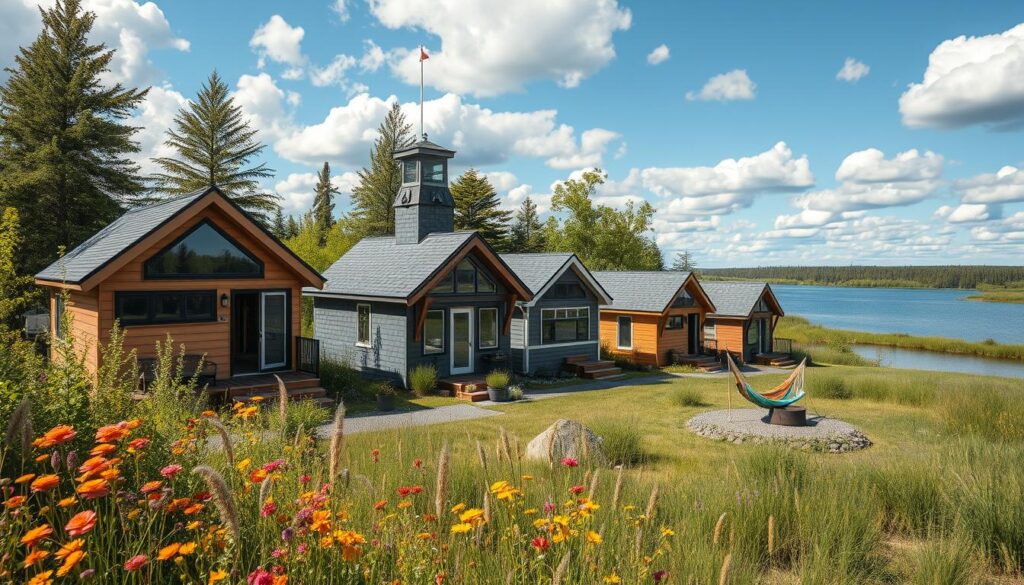
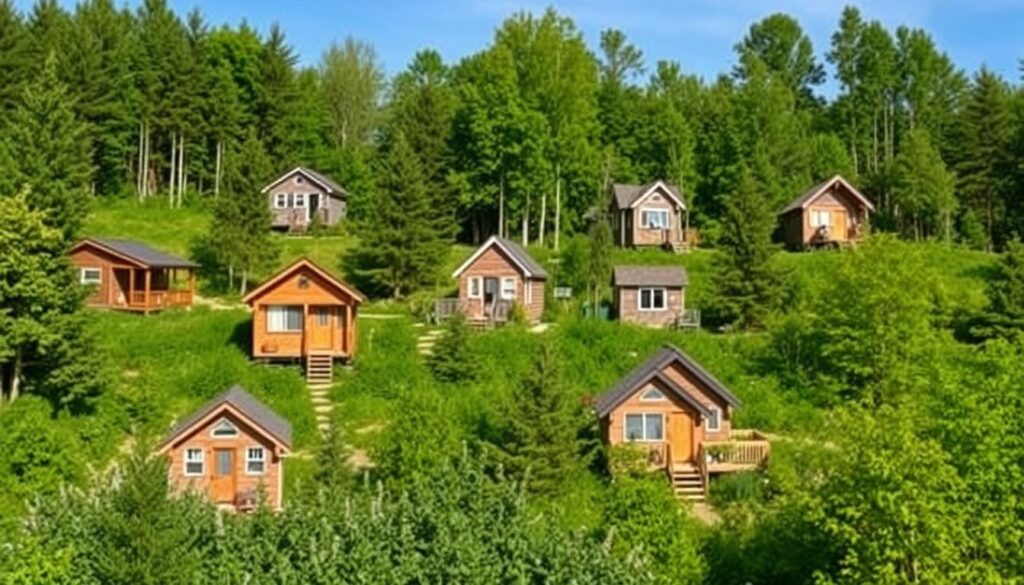
In the heart of the Canadian wilderness, nestled between towering pines and glistening lakes, a new breed of homeowners is carving out their own slice of paradise. These are the pioneers of the tiny home movement, individuals who have traded in their sprawling suburban abodes for the simplicity and freedom of a life lived on a smaller scale.
Take the story of Sarah, a young professional from Toronto who, tired of the city’s relentless pace, decided to take the plunge and build her very own tiny home on wheels. With a budget of $35,000, she scoured the countryside, searching for the perfect spot to park her cozy 300-square-foot haven. But as she soon discovered, the road to tiny home ownership in Canada is paved with a maze of legal and regulatory hurdles.
From navigating zoning laws to securing specialized financing, the challenges facing tiny home enthusiasts in Canada are multifaceted and ever-evolving. In this article, we’ll delve into the legal landscape surrounding tiny homes across the nation, exploring the varying provincial and municipal regulations that govern their construction and placement.
Key Takeaways
- Tiny homes are not yet recognized as legal in most areas of Canada, leading to a complex regulatory landscape.
- The average price range for tiny houses in Canada is between $64,000 and $195,000 CAD.
- Tiny homes on wheels face additional legal hurdles, as they are often not considered permanent dwellings.
- Prospective tiny home owners must carefully research local zoning laws and building codes to ensure compliance.
- Specialized financing options, such as tiny home loans and RV financing, are available for those looking to build or purchase a tiny home.
Introduction to Tiny Homes
Definition and Growing Popularity
A tiny home is a small, private and self-contained dwelling unit typically under 400 square feet, with living and dining areas, kitchen and bathroom facilities, and a sleeping area. The popularity of tiny homes in Canada has been steadily growing in recent years as an affordable and eco-friendly housing option.
Benefits of Tiny Home Living
The advantages of tiny living in Canada include reduced living expenses, a more minimalist lifestyle, and a smaller environmental footprint. Tiny homes often cost less to construct and maintain compared to traditional homes, allowing homeowners to save money on mortgage payments, utilities, and other housing-related costs. Additionally, the compact design of tiny homes encourages a more sustainable and decluttered way of living.
| Benefit | Description |
|---|---|
| Affordability | Tiny homes typically cost less to build and maintain than traditional homes, making them an attractive option for those on a budget. |
| Eco-friendly | Tiny homes have a smaller environmental impact, with reduced energy and resource consumption. |
| Minimalist Lifestyle | The limited space of a tiny home encourages residents to live a more minimalist and decluttered lifestyle. |
As the popularity of tiny homes in Canada continues to grow, it is essential for homeowners to understand the legal considerations and regulations surrounding tiny home living.
Legal Considerations for Tiny Homes in Canada
As the tiny home movement gains traction in Canada, it’s essential to understand the legal requirements and regulations that govern these diminutive dwellings. Despite their small size, tiny homes in Canada must still comply with the health and safety standards outlined in the Ontario Building Code, as well as municipal zoning by-laws and other local regulations. Navigating this legal landscape is crucial for prospective tiny home owners to ensure their homes are built and situated legally.
One key consideration is the classification of tiny homes. Those on permanent foundations are often treated as regular homes, subject to the same building codes and zoning restrictions as traditional residences. Conversely, tiny homes on wheels may be classified as recreational vehicles or trailers, which can come with their own set of regulations.
Another important factor is the minimum size requirements for legal tiny homes in Ontario. According to the province’s building code, a tiny home must have a minimum square footage of over 188 sq.ft. and include essential amenities such as a living/sleeping area, a bathroom, and a cooking area with running water.
Municipalities in Ontario have also been revising their regulations to accommodate the growing demand for tiny home regulations canada. Many have eliminated minimum footprint requirements, allowing for increased housing supply and density. However, prospective tiny home owners must still carefully research the tiny home building codes canada applicable to their desired location.
Violating the Ontario Building Code Act, such as constructing a tiny home without a permit, can result in significant fines – up to $50,000 for a first offence and up to $100,000 for subsequent offences. It’s crucial for tiny home enthusiasts to understand and comply with the legal requirements for tiny homes canada to avoid these penalties and ensure the safety and legality of their tiny home.
“Tiny homes offer a unique and sustainable living option, but navigating the legal landscape is crucial for prospective owners. Understanding the tiny home regulations canada is the first step towards achieving your tiny home dreams.”
Provincial and Municipal Regulations
The legality of tiny homes in Canada varies greatly across provinces and municipalities. While some regions have specific regulations and zoning laws that address tiny homes, others may not have clear guidelines in place. Navigating this complex landscape is crucial for anyone considering a tiny home lifestyle in Canada.
Tiny Home Zoning Laws and Building Codes
In Ontario, for instance, tiny homes are generally considered to be dwellings under 450 square feet. However, to be legally classified as a tiny home, the structure must have a minimum of 188 square feet and include a living/sleeping area, a bathroom with a shower or bath, and a cooking area with running water. Municipalities in Ontario do not have minimum footprint requirements, making it relatively easier to build tiny homes in the province.
Similarly, British Columbia and Ontario have emerged as leaders in the tiny home movement, with the largest tiny home communities in Canada. Builders and DIY enthusiasts in these provinces are showing rapidly growing interest in tiny home construction.
That said, not all municipalities are equally welcoming of tiny homes. Some may associate tiny homes on wheels with mobile homes or trailers, making it challenging to find legal parking spots. Compliance with local health and safety regulations, building codes, and zoning bylaws is essential.
| Province | Tiny Home Zoning Laws | Tiny Home Building Code Requirements | Tiny Home Permit Process |
|---|---|---|---|
| Ontario |
|
|
|
| British Columbia |
|
|
|
Before embarking on a tiny home journey in Canada, it is crucial to research the specific zoning laws, building code requirements, and permit processes in the province and municipality where the tiny home will be located. Consulting with local planning and building authorities can help navigate this complex landscape and ensure compliance with all relevant regulations.
Tiny Homes on Foundations vs. Wheels
When it comes to tiny homes in Canada, the choice between building on a permanent foundation or on a mobile trailer frame can have significant legal and practical implications. Understanding the distinctions between these two options is crucial for those considering the tiny home lifestyle.
Tiny homes on permanent foundations are subject to the same building codes and regulations as traditional homes in Canada. This includes meeting requirements for plumbing, electrical, and structural integrity. While the process may involve more paperwork and, it can provide greater stability and long-term options for homeowners. In Ontario, for instance, the minimum dwelling size requirement has been reduced to just 188 square feet, offering more opportunities for small-scale construction.
On the other hand, tiny homes on mobile trailer frames are classified as recreational vehicles (RVs) in Canada. These are subject to federal regulations and standards set by the Canadian Standards Association (CSA), covering aspects like electrical systems, plumbing, and safety features. This classification can potentially allow for more flexibility in terms of zoning and land use regulations, as some municipalities may have less restrictive requirements for RVs compared to traditional dwellings.
RV vs. Tiny Home: Navigating the Differences
The choice between a tiny home on a foundation or on wheels ultimately comes down to personal preference, budget, and local regulations. While tiny homes on foundations may offer more long-term stability, those on wheels can provide greater mobility and the potential to circumvent certain restrictions in some municipalities. Careful research and planning are essential to ensure compliance with all applicable laws and building codes.
| Criteria | Tiny Homes on Foundations | Tiny Homes on Wheels |
|---|---|---|
| Legal Classification | Traditional Dwellings | Recreational Vehicles (RVs) |
| Regulations | Provincial/Municipal Building Codes | Federal RV Standards (CSA) |
| Zoning Considerations | Stricter Land Use Regulations | Potential for More Flexible Zoning |
| Cost | Higher Initial Investment | Lower Initial Cost |
Whether you choose a tiny home on a foundation or on wheels, it’s essential to thoroughly research the legal and practical implications in your area to ensure a smooth and compliant transition to the tiny living lifestyle.
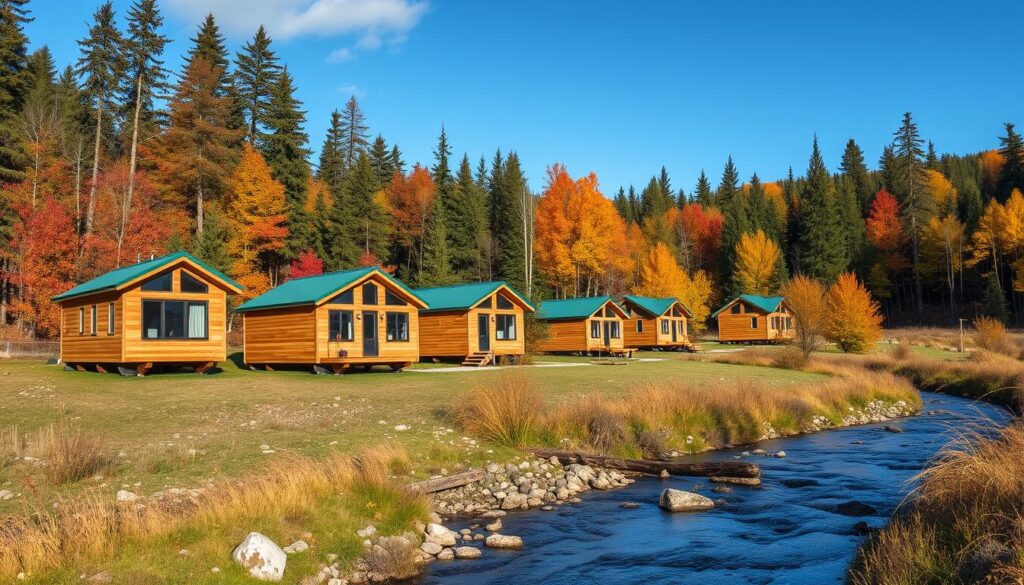
Design and Construction of Tiny Homes
Crafting a tiny home in Canada requires meticulous planning and collaboration with specialized builders and manufacturers. Navigating the intricate web of local building codes and regulations is crucial to ensure your tiny home project’s success. Canadian tiny home enthusiasts have access to a growing number of reputable builders and manufacturers who possess the expertise to transform your vision into a functional, legally compliant living space.
Working with Specialized Builders
Partnering with experienced tiny home builders in Canada is essential. These specialists understand the unique challenges and requirements of constructing a tiny home that adheres to provincial and municipal regulations. From maximizing space utilization to incorporating energy-efficient features, a skilled builder can guide you through the design and construction process, ensuring your tiny home meets all necessary safety and legal standards.
Canadian Tiny Home Manufacturers
In addition to custom-built tiny homes, Canada is home to a diverse array of manufacturers offering pre-designed and prefabricated tiny home solutions. These companies have honed their expertise in tiny home design and construction, often providing turn-key options that streamline the process. Whether you’re seeking a classic cabin-inspired aesthetic or a modern, minimalist design, Canadian tiny home manufacturers can deliver a high-quality, code-compliant home tailored to your needs.
| Tiny Home Construction Considerations in Canada | Specifications |
|---|---|
| Height Restrictions | 13.5 feet |
| Width Restrictions | 8.5 feet |
| Length Restrictions | 40 feet |
| Stairway Dimensions | Tread: 18-22 inches, Riser: 16-18 inches |
| Compliance Requirements | Power, Water, Sewer, Heating |
| Average Cost (Owner-built) | Around $40,000 |
| Average Cost (Manufactured) | $60,000 – $75,000 (up to $150,000 for high-end) |
Whether you choose to work with a specialized tiny home builder or opt for a prefabricated solution, the key to a successful tiny home project in Canada is understanding the local regulations and collaborating with professionals who have the expertise to navigate them. By combining careful planning, attention to detail, and the right partners, you can create a compact, code-compliant living space that aligns with your lifestyle and dreams.
Financing and Insurance for Tiny Homes
The rise of tiny homes in Canada has brought about unique challenges when it comes to securing financing and insurance. Unlike traditional homes, tiny homes often fall into a grey area, making it difficult for lenders and insurers to recognize them as viable dwellings.
Obtaining Specialized Financing
Securing a mortgage for a tiny home can be a daunting task. Lenders may be hesitant to provide financing, as tiny homes often lack the resale value that traditional homes possess. However, there are some specialized financing options available:
- The Chattel Loan Insurance Program (CLIP) offered by the Canada Mortgage and Housing Corporation (CMHC) provides a pathway for accessing mortgages for tiny homes built to the Canadian CSA Z240 standard.
- RV mortgage options may be available for certain styles of tiny homes, excluding those built as permanent structures.
- Some credit unions, such as Tinyloans.ca, offer specialized financing solutions for tiny homes.
- Homeowners can also consider refinancing existing properties or utilizing a home equity line of credit (HELOC) to fund their tiny home projects.
As the tiny home movement continues to gain momentum, there are signs that financing options may become more readily available in the future. For example, new legislation in British Columbia allows for the construction of laneway homes or garden suites, potentially increasing the viability of tiny homes in the province.
Securing Specialized Insurance
Insuring a tiny home can also present unique challenges. Depending on the classification and construction of the tiny home, specialized insurance coverage may be required. Some insurance companies have started offering policies or endorsements specifically designed for tiny homes, recognizing the growing demand for this type of coverage.
The insurance industry is expected to leverage advanced technologies, such as AI-powered risk assessments and drone-based property inspections, to streamline the process of evaluating and insuring tiny homes. This could lead to more personalized coverage options and potentially more affordable premiums for tiny home owners.
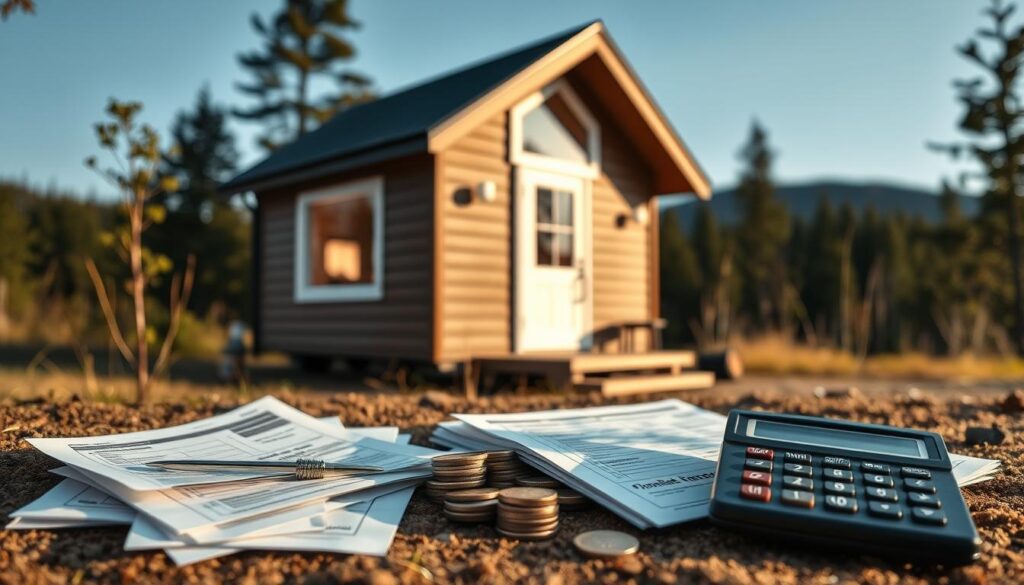
As the tiny home movement continues to evolve, the financial and insurance landscape is adapting to meet the needs of this unique housing trend. By understanding the available options and navigating the complexities, tiny home enthusiasts in Canada can find the necessary support to turn their dreams into a reality.
Choosing the Right Location
As the tiny home movement continues to gain momentum in Canada, prospective owners must carefully consider the location of their compact abodes. From navigating zoning laws to securing utility access, the choice of where to place a tiny home in Canada can make or break the feasibility of this unique living arrangement.
Zoning and Utility Access
In Canada, the legality of tiny home zoning requirements varies across provinces and municipalities. Some regions, like Alberta, are becoming more accommodating, with cities like Calgary and Edmonton amending their bylaws to allow for tiny home construction. However, strict regulations often dictate the specific criteria a tiny home must meet, whether it’s built on a foundation or on wheels.
Accessing essential tiny home utilities, such as water, electricity, and sewage, is another crucial factor in determining the ideal location. Tiny home owners must ensure their chosen site can support the necessary infrastructure, be it through municipal connections or off-grid solutions.
Off-Grid Living Options
For those seeking a more self-sufficient lifestyle, off-grid tiny homes in Canada offer an appealing alternative. By harnessing renewable energy sources and implementing sustainable water and waste management systems, tiny home owners can reduce their reliance on traditional utility services. However, navigating the regulatory landscape and securing the appropriate permits for off-grid living can present its own set of challenges.
Ultimately, the success of a tiny home in Canada hinges on finding the right balance between legal, logistical, and personal considerations. By carefully researching the where to put a tiny home in canada, prospective owners can make informed decisions and turn their compact living dreams into a reality.
| Location Factors | Considerations |
|---|---|
| Zoning Laws | Understand the specific regulations and bylaws in your desired municipality or province, as they can vary significantly. |
| Utility Access | Ensure the chosen site can support the necessary water, electricity, and sewage infrastructure, either through municipal connections or off-grid solutions. |
| Off-Grid Potential | If opting for an off-grid lifestyle, research the feasibility and permit requirements for renewable energy systems and sustainable waste management. |
“Tiny homes in Canada are often built on plots of land in industrial or commercial areas, not dispersed throughout communities.”
where are tiny homes legal in canada
The legality of tiny homes in Canada varies significantly by province and municipality. While some regions have specific regulations and zoning laws addressing tiny homes, others may still be working to accommodate this emerging housing option. It’s crucial for prospective tiny home dwellers to thoroughly research the local bylaws and building codes before purchasing or constructing a tiny home in their desired location.
In Ontario, for example, tiny houses are generally legal, with a minimum size requirement of 188 square feet for a separate dwelling used year-round. However, regulations around tiny homes on wheels are still evolving, with many municipalities aligning them with mobile homes or only allowing them in designated areas like mobile home parks. Similarly, the legality and zoning for tiny homes can vary between urban, suburban, and rural areas within the same province.
Across Canada, the tiny home movement is gaining traction, and more municipalities are recognizing these compact dwellings as a viable housing solution. While the legal landscape continues to evolve, it’s essential for tiny home enthusiasts to work closely with certified builders and local authorities to ensure their tiny home complies with all relevant regulations, whether it’s on a foundation or on wheels.